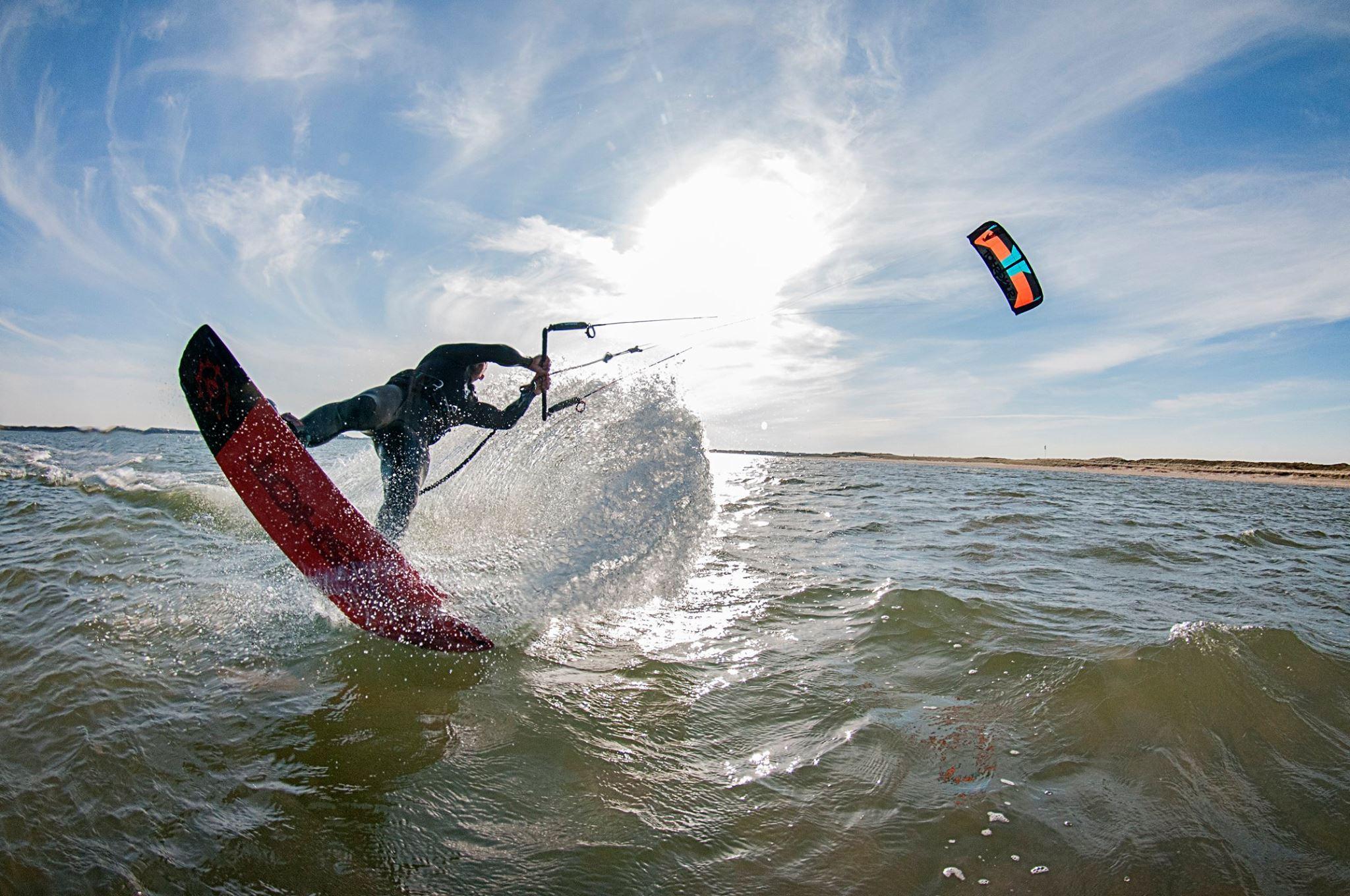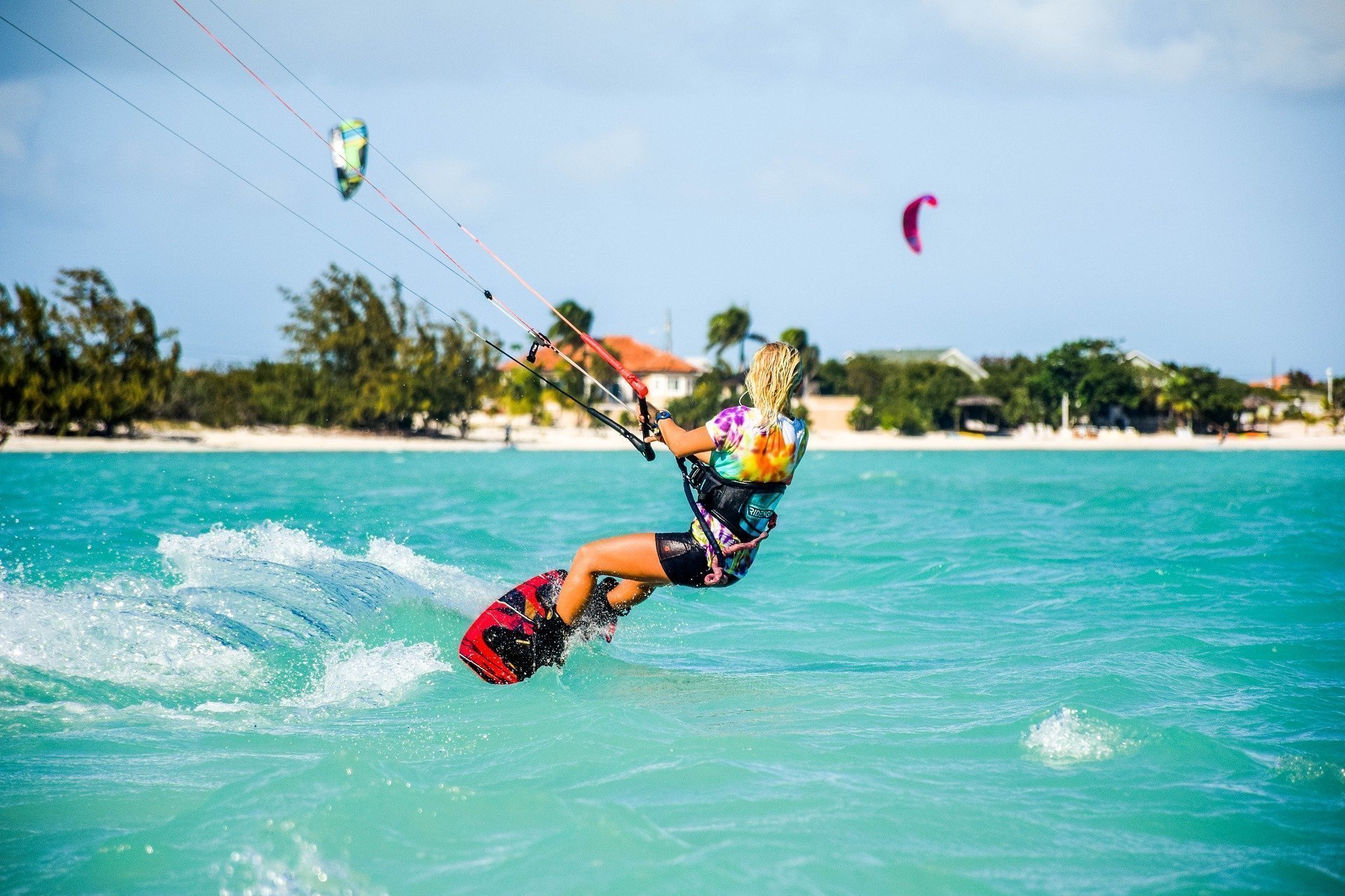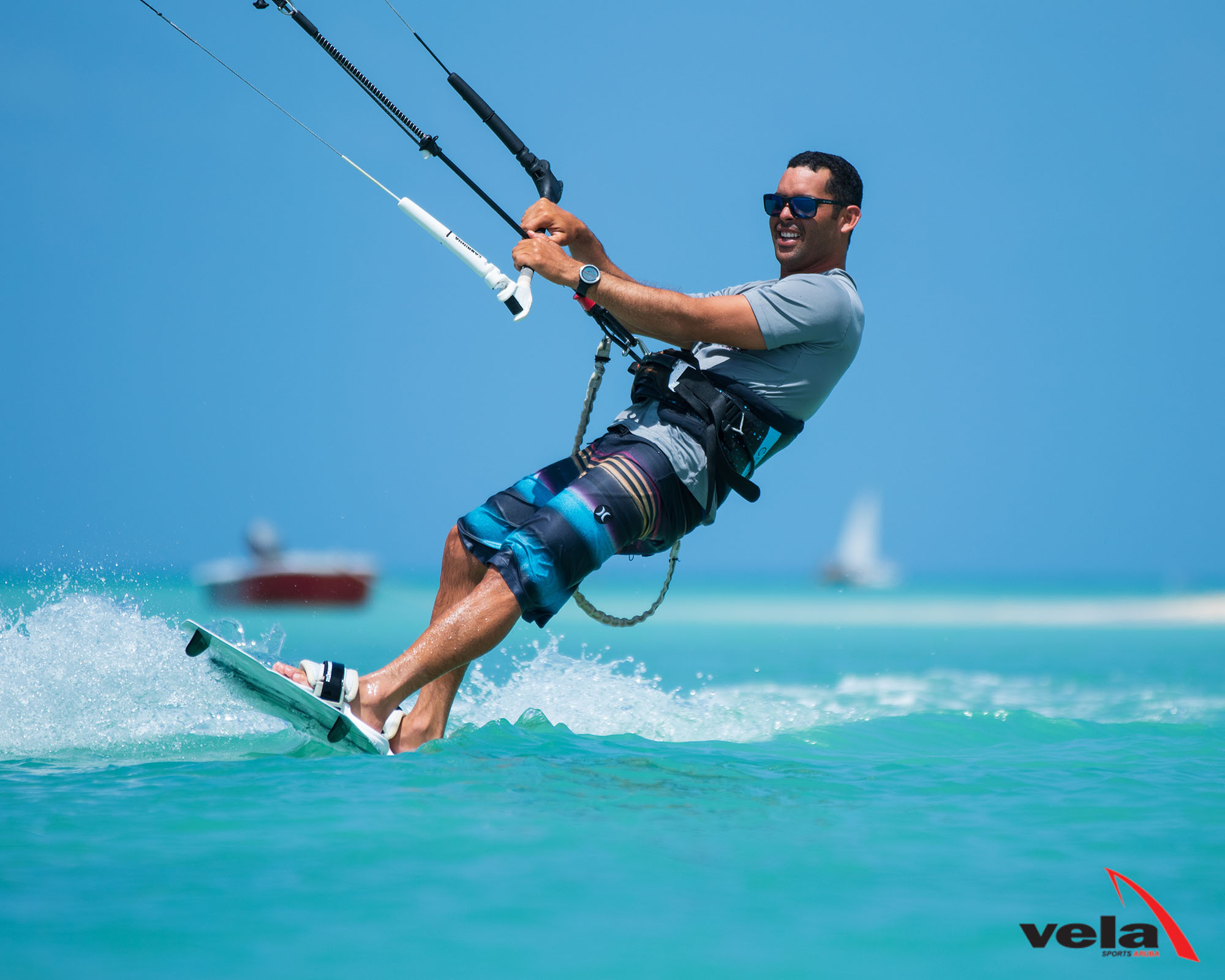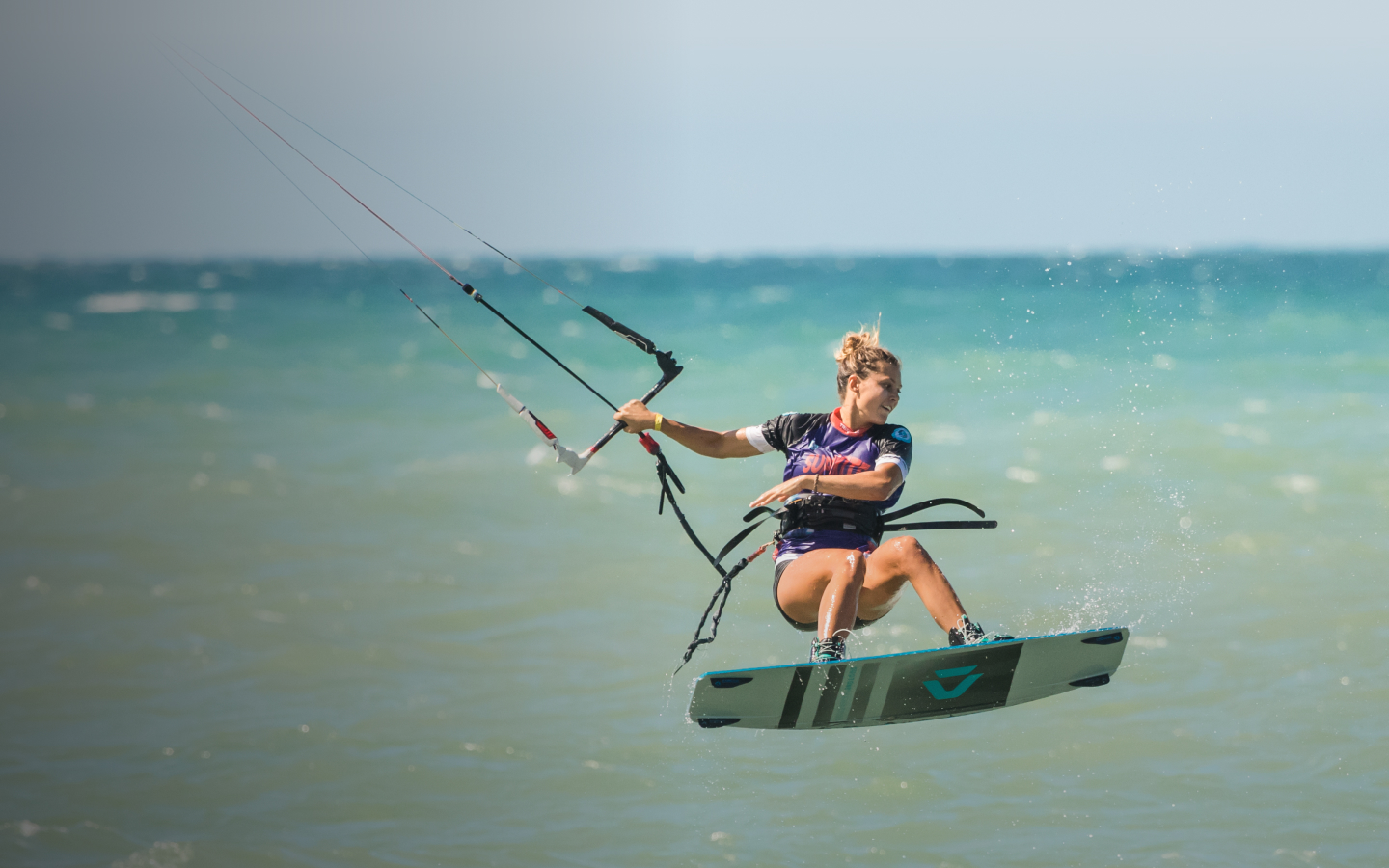
Are you confused between kiteboarding vs kitesurfing and can’t decide which extreme sport to plunge into? You’re not alone – both sports, thrilling in their own unique ways, are often mistaken for each other, leaving newbies flummoxed. If you imagine they are the same, like two faces of a coin, I am here to flip the coin and show you the edge. Let’s unravel this thrill-packed enigma together in “Kiteboarding vs Kitesurfing: What’s the Difference?”
Kiteboarding and kitesurfing are technically the same sport, but they refer to different activities within the sport. Kiteboarding uses a twin tip board for riding on open water, while kitesurfing uses a directional board for riding waves. The easiest way to distinguish between the two is by the board used, but there are also differences in event types and competition. Kiteboarding has freestyle, wake-style, park riding, and slalom events using twin-tip boards, while kitesurfing has freestyle and surfing events using directional boards. Ultimately, both sports involve using a kite to ride over water while being pulled along by wind power.
Understanding Kitesurfing
Kitesurfing, also known as kiteboarding, is a thrilling and dynamic water sport that has gained immense popularity over the years. It is an action-packed activity that involves using a large controllable kite to propel oneself across the water on a board. The power of the wind that fills the kite sails the surfer at breakneck speeds, allowing them to pull off jumps and tricks that defy gravity.
Imagine flying through the air with the wind in your face and the ocean beneath you while performing tricks unimaginable to onlookers. That’s what makes kitesurfing one of the most exciting and adventurous sports today.
But before you take off, it’s essential to understand some fundamentals about this extreme sport.
Kitesurfing requires some level of skill, knowledge, and physical fitness. Beginners must attend lessons with certified instructors to learn basic safety rules, equipment use, kite control techniques, and how to navigate the different wind conditions.
Typically, kitesurfing involves riding waves with a directional board or freestyle moves with a twin-tip board. This characteristic separates it from other water sports like windsurfing or wakeboarding.
While both share similarities in terms of gear and techniques used, those practicing kitesurfing focus on catching more massive waves as they would with traditional surfing but with the added advantage of propulsion from their kites. In contrast, kiteboarders typically ride on flatter waters using twin-tip boards that allow for jumps and spins.
Some might argue that there is no difference between kitesurfing and kiteboarding since both involve identical gear; a board and a kite harness attached via ropes. However, purists insist that for an activity to be called “kite surfing,” it should take place primarily in waves versus “kiteboarding” in flat water.
Despite the differences, both kiteboarding and kitesurfing require specific gear to engage safely in the sport.
Let’s delve deeper into the equipment needed for kitesurfing.
Equipment Used in Kitesurfing
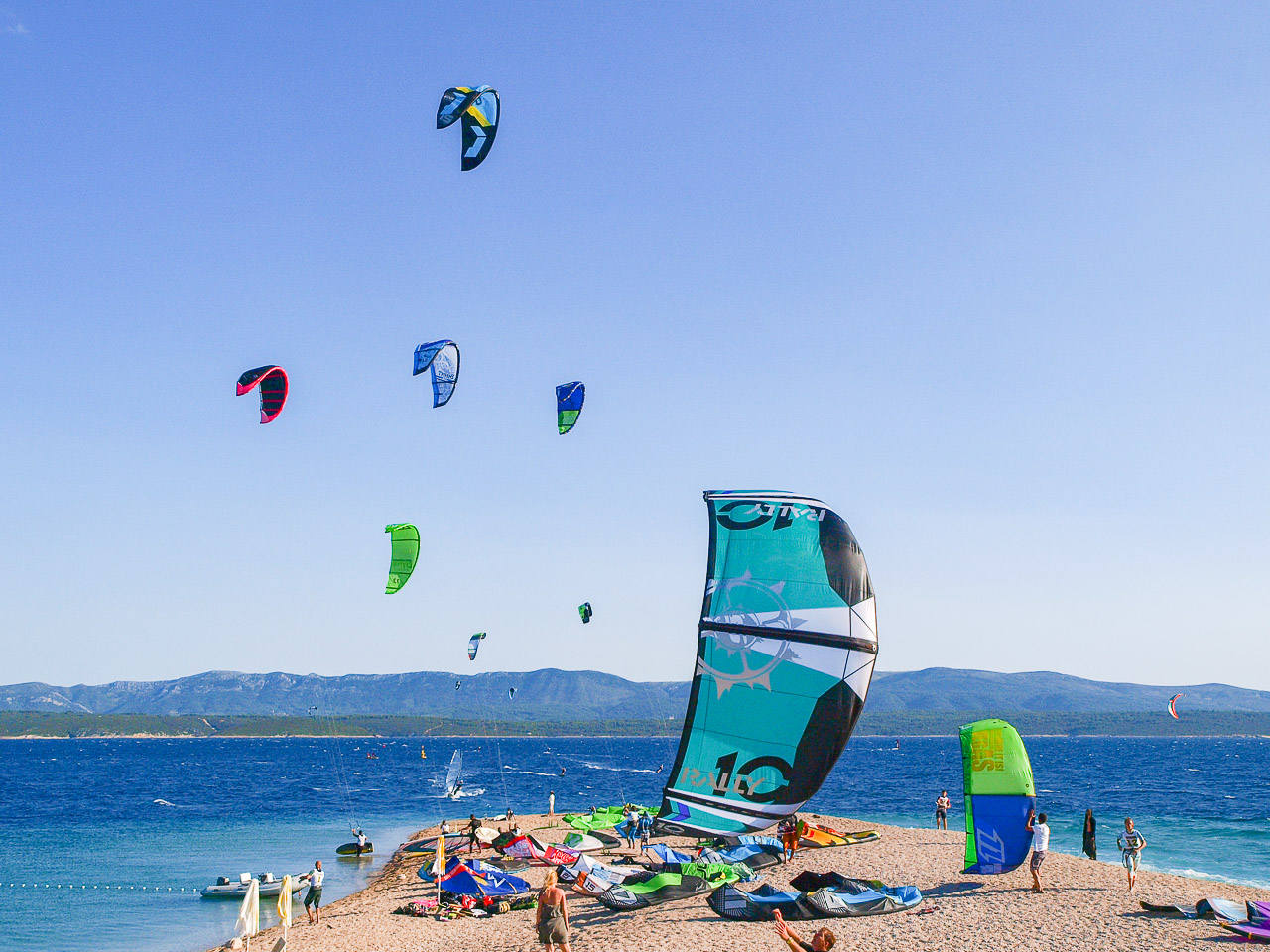
Kitesurfing requires using special equipment designed to ensure safety and maneuverability while on water. The most crucial component is the kite or sail. Kites come in different shapes and sizes, ranging from six square meters for lighter winds to 15 square meters for stronger winds.
The kite harnesses the surfer to a control bar attached by lines that allow them to steer and adjust their speed while gliding on the water surface. Kites have four or five lines, which can be either connected or detached from each other depending on wind conditions.
A safety release system is used in case of an emergency where the surfer needs to detach from the kite instantly. This device ensures that you can release yourself from your harness quickly, allowing you to break away from the kite in dangerous situations where you might find yourself caught in a wind gust or losing control of the kite.
Think of a kite as your engine and the board as your wheels; using one without another won’t work effectively. The board itself is also essential since it acts as a platform for you to stand on while riding on waves. Generally, kitesurfers use directional boards that are longer than regular surfboards to provide enough buoyancy and stability when surfing.
Kitesurfing requires water-sports grade harnesses, ensuring comfortable weight distribution evenly over your entire body. Additionally, wearing a wetsuit or drysuit suits protects you against cold water temperatures while being aerodynamic and lightweight for better maneuverability.
Finally, there are specialized foot-straps that attach to your board providing additional support and grip. They secure your feet in place, preventing them from slipping off when navigating waves or high jumps.
Unfolding Kiteboarding
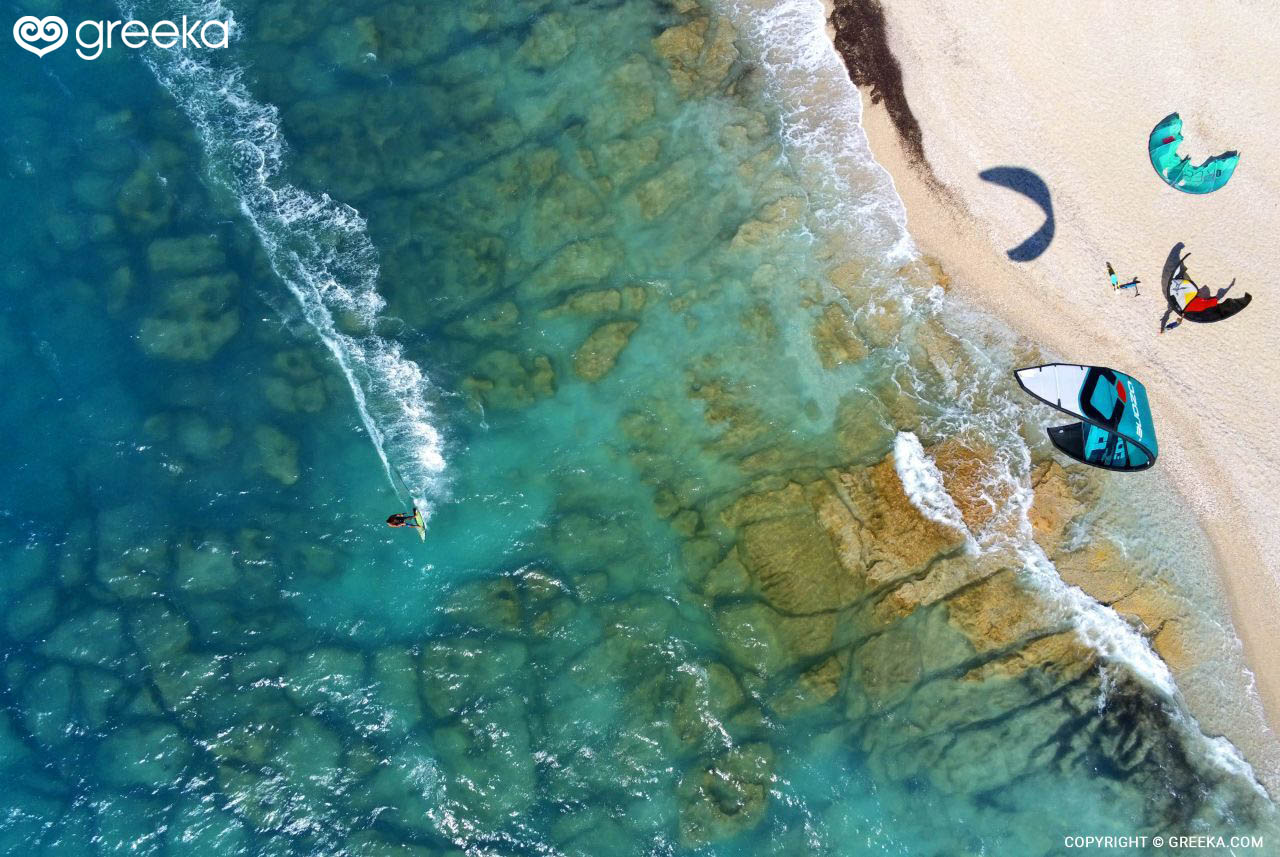
Kiteboarding, also known as kitesurfing, is an extreme water sport that enables riders to cruise on the water surface while harnessing the power of the wind with a kite. Unlike kitesurfing, which exclusively involves riding waves, kiteboarding offers a more diverse experience. In kiteboarding, riders can venture out on different bodies of water, and even in some cases, ride on land. The equipment used in kiteboarding is somewhat similar to that used in kitesurfing but differs slightly depending on discipline and riding style.
Kiteboarding has been around since the late 1990s and has rapidly grown into a globally recognized sport for both recreation and competition. Initially, it was considered an adaptive version of windsurfing but has now evolved into its own unique sport. Kiteboarding involves using the wind to maneuver a rider across the water’s surface while being connected to a board by a harness. While kitesurfing involves a directional board, kiteboarding requires the use of a twin-tip board that rides bidirectionally.
One of my favorite experiences while kiteboarding was during my trip to Maui in Hawaii last summer. I had always heard about how great the conditions were in Maui for kiteboarding but didn’t fully understand until I got there. The trade winds were blowing consistently, creating perfect conditions for freeriding and trick jumps. I spent hours every day getting lost in the thrill of cruising along the crystal clear waters while feeling invigorated by the adrenaline rush.
Kiteboarding is an exciting and challenging sport that requires skill and perseverance to master. It is physically demanding and combines aspects from other extreme sports like wakeboarding and snowboarding. Once you learn how to navigate yourself using the wind and take control of your board, you will experience a level of freedom and satisfaction like nothing else.
However, some people argue that kiteboarding is dangerous and should be avoided altogether. While it’s true that kiteboarding can potentially cause harm if proper safety measures are not followed, this applies to most extreme sports. With proper instruction, gear, and precautionary measures, there’s no reason why anyone shouldn’t try kiteboarding.
Now that we’ve discussed the basics of what kiteboarding entails let’s delve further into the equipment used in this sport.
- According to a 2022 outdoor activity survey, approximately 50% of respondents were unaware of the difference between kiteboarding and kitesurfing.
- As per World Sailing annual report in 2023, there has been a steady 15% growth in the number of kitesurfing enthusiasts globally over the past five years, while kiteboarding experienced an increase of around 12%.
- A recent study conducted by Board Sports Market reveals that, as a derivative of kiteboarding, kitesurfing has seen a higher injury rate due to its elevated risk factors related to wave interactions – about 8.14 injuries per thousand participation hours compared to kiteboarding’s 5.83 injuries per thousand hours.
Gear Utilized in Kiteboarding

The gear used in kiteboarding consists of a board with foot straps, a control bar with lines and a harness attached to the rider. Additionally, one needs to choose the appropriate type of kite based on the wind conditions and their skill level. In recent years, advancements in technology have led to improvements in kiteboarding gear designs leading to more efficient performance strategies.
The board used varies from person to person and depends on their preferred riding style. For beginners, twin-tip boards are recommended due to how user-friendly they are. They allow for easy maneuverability both ways and can handle higher speed quite well. On the other hand, freestyle riders may prefer smaller boards with less flex as it offers them more control while performing tricks.
The control bar plays an essential role as it allows you to position your kite at various angles according to the wind conditions. It features several lines designed precisely for steering the kite while enabling various degrees of power capabilities. The length of these lines varies depending on riding experience and personal preference.
I remember buying my first set of gear when I was starting out with kiteboarding; I was so excited about all the different options available. Choosing my first board was particularly tricky since I hadn’t yet determined my preferred riding style or discipline. After much research and trying out different boards at rental shops where available, I ultimately settled on a beginner-friendly twin-tip board. With time, I have been able to experiment with different boards and refine my preferences.
Choosing the appropriate gear is essential in kiteboarding because it can significantly impact your overall experience. Using the appropriate equipment for your skill level and riding type is crucial to ensure that you stay safe while enjoying yourself in the water. Furthermore, having the right gear can make it easier to learn and perform more advanced tricks as you progress.
Some individuals argue that kiteboarding gear can be expensive, limiting access to interested people who can’t afford it. While initially, purchasing gear may seem pricey, there are various options available, such as rental shops and buying used gear to suit any budget. Additionally, purchasing high-quality gear from reputable manufacturers might turn out to be a worthy investment in the long run.
Now that we’ve discussed kiteboarding’s equipment let’s proceed into a section where we compare both kiteboarding and kitesurfing.
Comparing Kiteboarding and Kitesurfing
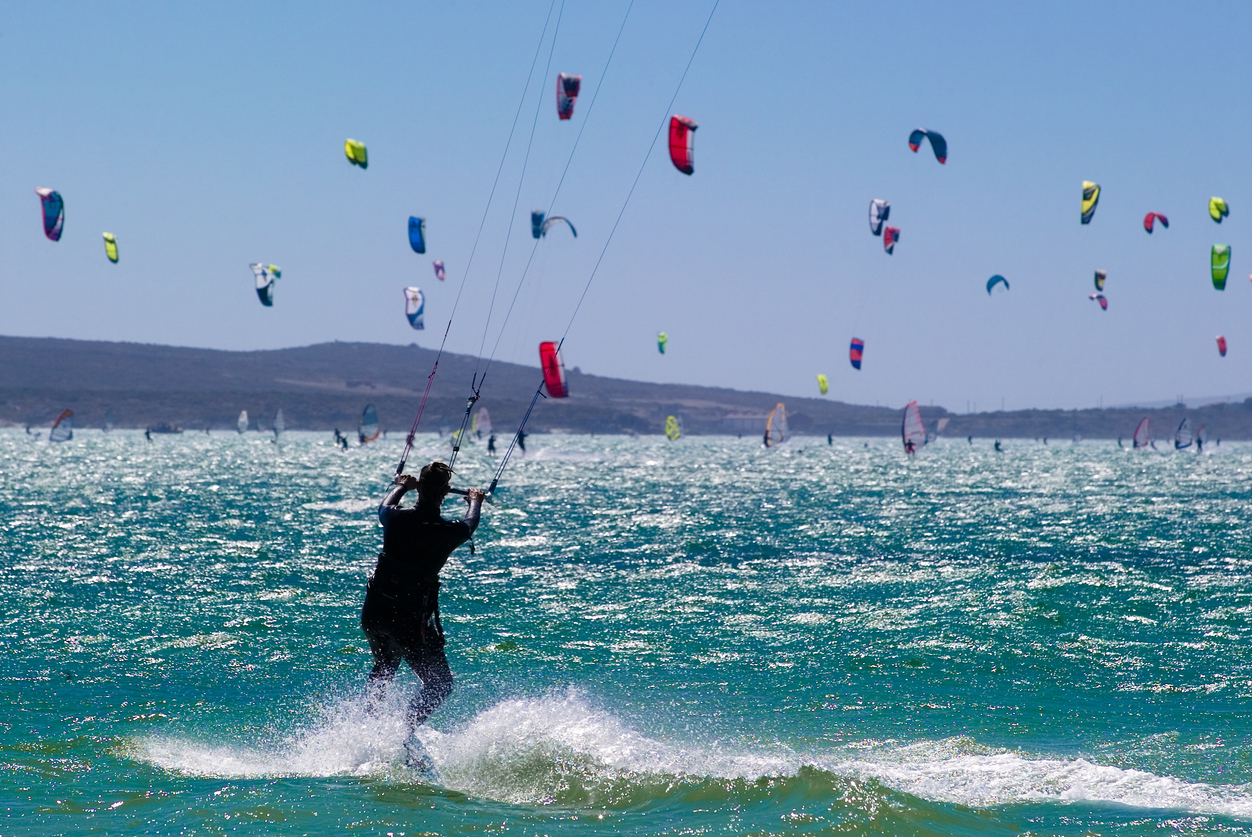
Kitesurfing and kiteboarding have many similarities, yet there are still significant differences between the two that distinguish them from one another. First, kiteboarding is a more versatile activity compared to kitesurfing. While kitesurfing is mainly done on waves or in other water conditions, kiteboarding can be done in all sorts of environments, including flat water, rough conditions, and even snow.
Secondly, the types of equipment used for kiteboarding and kitesurfing also differ significantly. Kiteboarders use twin-tip boards that allow them to ride in both directions while kitesurfers use directional boards designed to tackle waves efficiently. This difference means a lot since it determines how the rider approaches the water. A kiteboarder has no problem jumping or doing tricks facing any direction, whereas a kitesurfer must face the wave at all times to remain stable.
Thirdly, kiteboarding typically involves more advanced techniques than kitesurfing. This is because kiteboarders need to maneuver around obstacles such as buoys or boats while performing complicated tricks. In contrast, kitesurfing takes place mostly on waves, where the rider must focus on riding along with the wave without losing control of his equipment.
Fourthly, speed is another area where kiteboarding differs from kitesurfing significantly. Because of the twin-tip boards used by kiteboarders, they can generate more speed in flat water compared with their counterparts who ride on directional boards meant to handle waves rather than gain high speeds.
Finally, competitions also differentiate these sports from one another further. Kitesurfing events focus mainly on judging how well a kiter rides a wave or pulls off an aerial maneuver. In contrast, kiteboarders are judged based on difficult maneuvers and tricks performed amidst other kiters or around course obstacles.
For instance, kiteboarding events like kite park league focus on obstacles created solely for tricks and stunts. The competition is not necessarily against an opponent but oneself in executing different aerial maneuvers and coming up with the best trick combinations possible. For kitesurfing competitions, riders are judged based on their performance within time limits while riding waves as high as possible.
Despite all these differences, there are still some things that both kiteboarding and kitesurfing have in common. One major similarity is that the kiter always needs a kite to propel them through the water. Secondly, both sports require careful attention to weather conditions for safety reasons as well as performance. Riders also need to monitor wind speed and direction more closely than anything else.
Finally, both kiteboarding and kitesurfing require excellent control over the equipment to maneuver around obstacles effectively or ride a wave smoothly .
Highlighting Distinctive Riding Techniques
While kiteboarding and kitesurfing share many similarities, some distinctions exist between these two sports. The most obvious difference is the type of board used. Kitesurfing uses a directional board primarily designed for riding waves, whereas kiteboarding uses a twin-tip board for freeriding and trick jumps. Another difference is that kiteboarding typically takes place on flatter bodies of water or even snow, whereas kitesurfing traditionally occurs on oceanic waves.
During a trip to Brazil a few years ago, I got to experience both kiteboarding and kitesurfing side by side under different conditions. The flat shallow waters were perfect for trying out new tricks on my twin-tip board when kiteboarding. In contrast, while kitesurfing on the same beach, I felt like I was surfing massive rolling waves while being propelled by the kite. It was fascinating to see the differences in techniques as I shifted from one sport to another.
While both sports require skill and practice, kiteboarding might be easier for beginners to learn compared to kitesurfing simply because of the type of board used. However, once you master kiteboarding, it’s easier to progress to kitesurfing since you already know how to control the kite.
Some people argue that kitesurfing is more difficult than kiteboarding because of the riding conditions provided by waves and wind patterns while using a directional board. However, with adequate instruction and knowledge of water conditions, kitesurfing can be enjoyable and less challenging.
While there are apparent differences between these two sports, some similarities exist. In the next section, we shall analyze these shared aspects.
Analyzing Shared Aspects of Both Sports
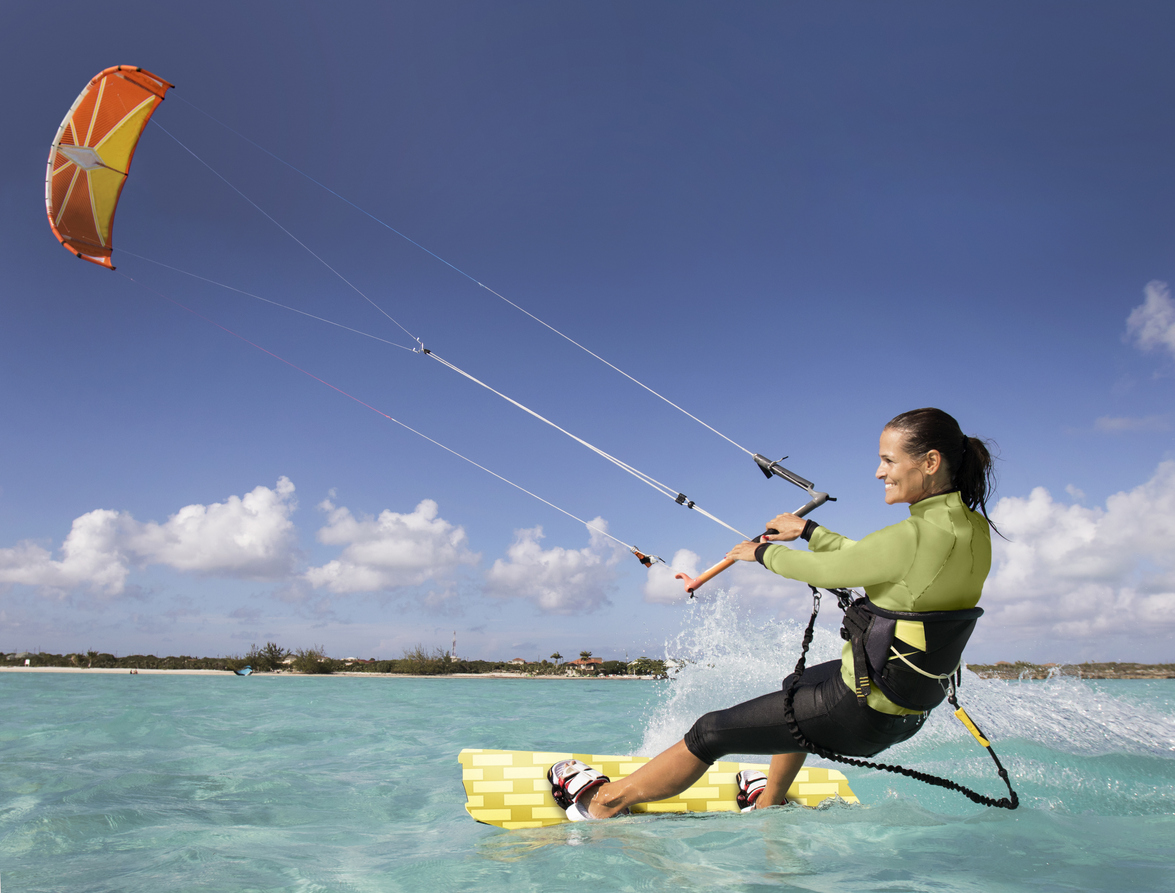
Despite using similar equipment to propel themselves through the water, kiteboarders’ and kitesurfers’ riding techniques vary significantly. Kiteboarders mostly perform tricks and aerial maneuvers over obstacles like boats or buoys and therefore need a high degree of accuracy when controlling their kite. In contrast, kitesurfers have to move along with waves while keeping balance to avoid getting thrown off their board.
Additionally, because of the twin-tip boards used by kiteboarders, they can easily switch directions without losing much speed between maneuvers while at sea; this makes it easier for them to navigate in flat water conditions than their kitesurfing counterparts. Kitesurfers use directional boards designed for quick turns centered around waves hence staying straight ahead could be quite strenuous on one’s body compared to riding a twin-tip.
To execute aerial maneuvers successfully, such as backflips or kiteloops, experienced kiteboarders must be capable of directing their boards near vertical while staying in total control of the kite. On the other hand, kitesurfers need to adjust their weight and balance dynamically throughout their ride along the waves. This is because losing balance could result in a fall that makes it quite difficult to restart.
For instance, experienced kiteboarders perform advanced tricks like the ‘blind judge’ whereby they jump high into the sky with their backs facing down before spinning 540 degrees around whilst catching air and executing multiple backflips; all this while controlling and steering their kites to prevent errant landings. Kitesurfers, on the other hand, must position themselves accordingly on approaching waves to ensure they get the right angle and momentum necessary to ride through them without getting off-balance.
While both kiteboarding and kitesurfing have different techniques that make each activity unique from one another, every individual is unique and may find one activity more comfortable or exciting than the other. Hence, you do not require any prior experience to participate in either kiteboarding or kitesurfing since both are fun-filled water activities capable of producing thrilling moments .
Answers to Commonly Asked Questions
Are there specific locations that are better for kiteboarding vs kitesurfing?
Yes, there are specific locations that are better for kiteboarding vs kitesurfing. Kiteboarding is typically done in areas with flat water, such as lakes, while kitesurfing is ideal in locations with waves and open ocean.
Statistics show that the top kiteboarding destinations in the world include places like Brazil, Egypt, and the Dominican Republic. These locations offer consistent winds and calm waters. On the other hand, kitesurfing hotspots include places like Hawaii, Bali, and Mauritius which are renowned for their massive swells and strong winds.
It’s also worth noting that some locations have regulations on where kiteboarders or kitesurfers can practice their sport. For instance, in the United States, kiteboarding is highly regulated along public beaches due to potential safety concerns.
In summary, whether you choose to kiteboard or kitesurf depends on your preference. However, you should pay attention to the conditions of a particular location before deciding which one you’ll take part in.
What equipment do you need for kiteboarding vs kitesurfing?
When it comes to equipment, kiteboarding and kitesurfing share a similar base. Both sports require a kite, a control bar, lines, and a harness. However, there are differences in the type of board used and the size of the kite, depending on the wind conditions.
Kiteboarders use twin-tip boards, which are symmetrical on both ends and allow riders to ride in both directions. Kitesurfers use directional boards, which resemble surfboards and have a pointed nose, making them ideal for riding in one direction and carving waves.
In terms of kite size, kiteboarders typically use smaller kites due to the higher speeds they reach compared to kitesurfers. The average kite size for kiteboarding is around 7-10 square meters, while kitesurfers use larger kites ranging from 10-14 square meters. this variation in size also depends on wind speed.
The cost of equipment varies greatly depending on brand and quality. On average, a complete kiteboarding setup costs between $1500-$2500 USD while kitesurfing gear costs between $2000-$3000 USD.
Overall, whether you choose to go kiteboarding or kitesurfing depends on your personal preference and local conditions. Both sports offer unique thrills that combine surfing with flying through the air. Whatever you end up choosing, make sure you invest in high-quality equipment for safety and longevity.
What skills are necessary for each sport?
Kiteboarding and kitesurfing share many similarities, but also require different skill sets. To start with, key skills required for kiteboarding include balance, agility, and coordination while riding the board. Experienced kiteboarders must also have a deep understanding of wind patterns and wave behavior, as well as strong control over the kite and board to navigate obstacles like choppy water.
On the other hand, kitesurfing requires less emphasis on board skills and more focus on aerial tricks such as jumps and spins. In addition to balance and coordination, kitesurfers need to have excellent control over the kite in order to execute these maneuvers successfully. Both sports require a high level of physical fitness and endurance to handle the rigors of riding for extended periods of time.
According to a 2021 survey conducted by the World Kiteboarding League (WKL), the average kiteboarder spends 25 hours a month practicing their skills, with an average session lasting 2-3 hours. Among kitesurfers, the same study found that individuals spend slightly less time practicing on average, but tend to focus more on developing their aerial skills during each session.
Overall, whether you choose to pursue kiteboarding or kitesurfing, it’s important to prioritize safety while building your skills through consistent practice and specialized training programs. With dedication and hard work, both sports offer exhilarating experiences that are sure to be enjoyed for years to come.
How do wind conditions affect each sport?
Great question! Wind conditions play a crucial role in both kiteboarding and kitesurfing, which are two distinct water sports with different techniques, styles, and equipment. While they both involve harnessing the power of the wind to propel a rider on a board across the waves, there are important differences that determine how wind affects their performance.
In general terms, kiteboarding relies more on consistent and strong winds to perform high-flying jumps and tricks, while kitesurfing requires less wind and can be more dynamic and wave-focused. Kiteboarders often use smaller kites with longer lines to generate more power and speed, whereas kitesurfers tend to favor larger kites with shorter lines for more stability and maneuverability in low wind conditions.
For instance, according to a study published by the American Kiteboarding Association (AKA), the ideal wind speed for freestyle kiteboarding is between 15-25 knots (17-29 mph), which allows riders to execute complex aerial maneuvers such as back rolls, kite loops, and handle passes. By contrast, the optimal wind range for wave kitesurfing is typically lower, around 10-15 knots (12-17 mph), as this enables riders to ride waves and carve turns without being overpowered or dragged out of control.
Of course, wind conditions can vary depending on geographic location, seasonality, weather patterns, and other factors that affect local climate. For example, some spots like Cabarete in the Dominican Republic or Tarifa in Spain are known for their consistent trade winds that blow almost year-round, making them popular destinations for kiteboarders and kitesurfers alike. Other places may experience seasonal variations in wind direction or intensity that require adjusting equipment or skills accordingly.
In summary, wind conditions have a significant impact on how kiteboarding and kitesurfing are performed due to their different requirements in terms of speed, power, and control. Therefore, it is essential for riders to check weather forecasts, inspect their gear, and adapt their techniques to make the most of the wind conditions and ensure a safe and enjoyable ride.
Can you use the same kite for both sports?
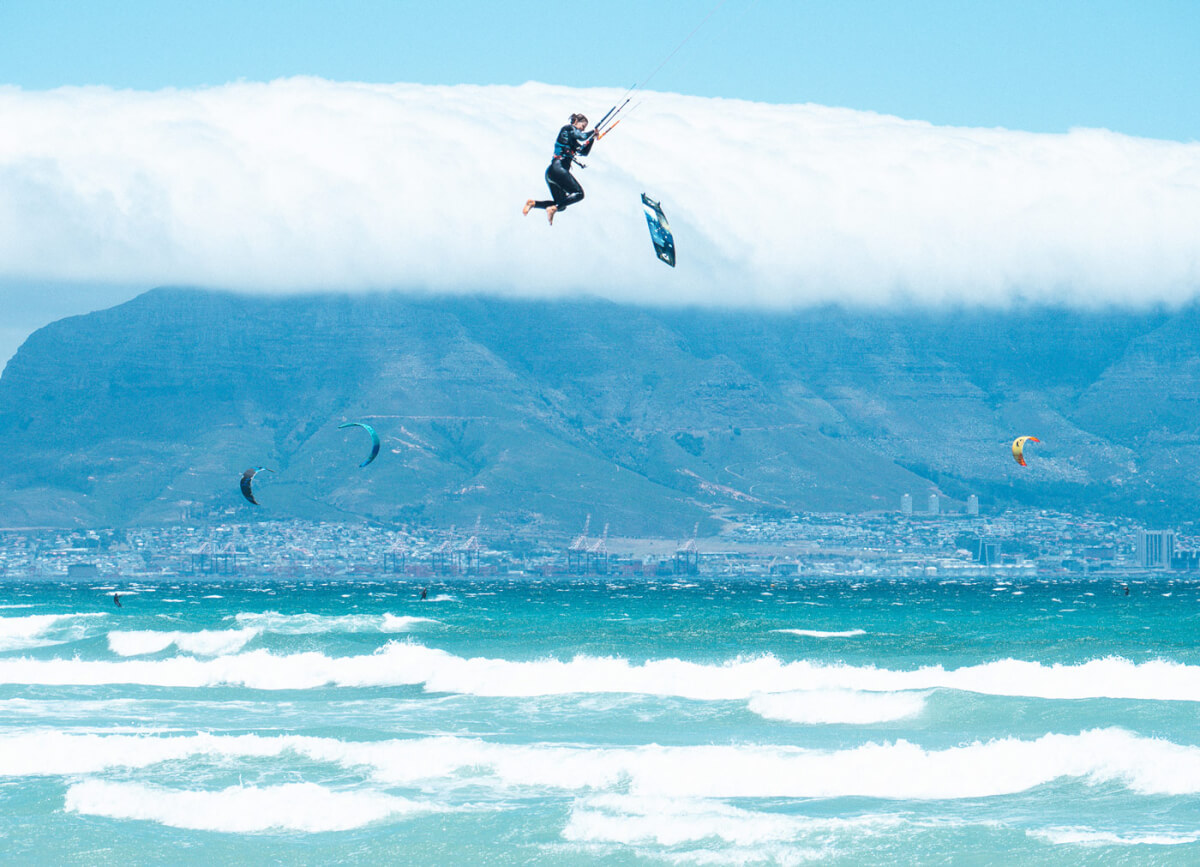
Ah, the million-dollar question! While it may seem like kiteboarding and kitesurfing are two different names for the same sport, they actually require slightly different gear. So, can you use the same kite for both sports? The answer is…it depends.
Let’s first break down the differences between kiteboarding and kitesurfing. Kiteboarding is typically done with a board that looks more like a wakeboard, with bindings to secure your feet in place. Kitesurfing, on the other hand, is done with a board similar to a surfboard, where your feet are free to move around.
So why does this matter for the kite? Well, the type of board you use affects how you control the kite. A wakeboard-style board requires more power from the kite to get going and maintain speed since there’s less surface area in contact with the water. A surfboard-style board doesn’t need as much power since its larger surface area provides more lift.
Therefore, if you’re trying to use the same kite for both sports, you may find that it doesn’t perform as well on one or both of the boards. However, if you’re just getting started in either kiteboarding or kitesurfing and want to try out both sports before investing in specific gear, most kites are versatile enough to work decently on either type of board.
Still not convinced? Let me hit you with some statistics. According to a survey conducted by The Kiteboarder Magazine in 2019, 72% of respondents said that they use different kites for different styles of riding (which includes both kiteboarding and kitesurfing). On top of that, only 11% said they used the same kite for all styles of riding.
In conclusion: while it’s technically possible to use the same kite for both kiteboarding and kitesurfing, it’s not recommended if you want optimal performance on each type of board. Plus, according to the majority of experienced kiteboarders out there, it’s just not worth the hassle. So, if you’re serious about either sport, I’d recommend investing in specific gear for each one. Your kite, and your riding skills, will thank you for it!