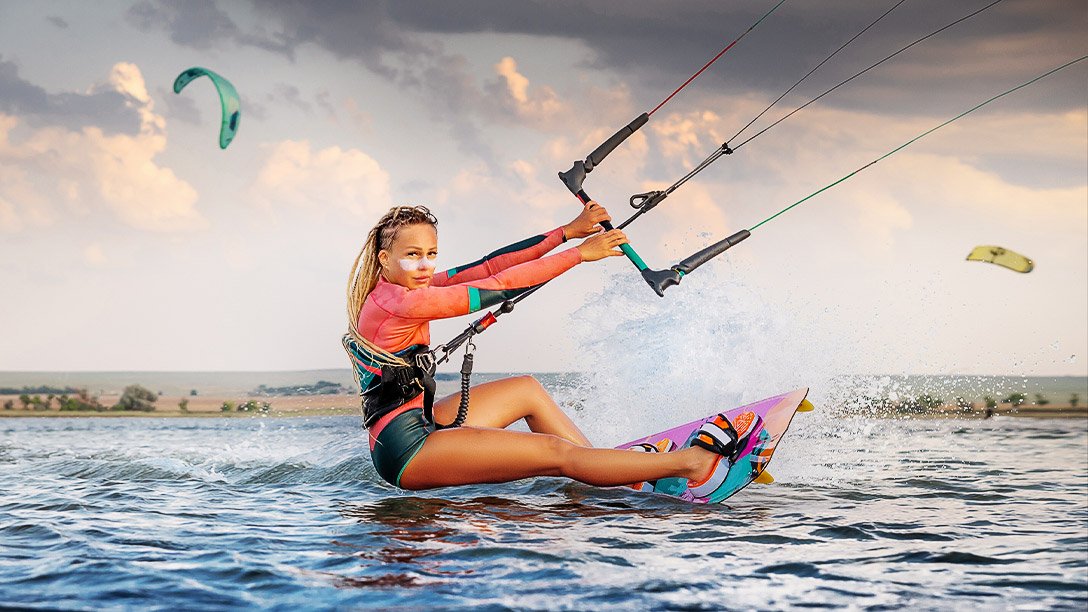
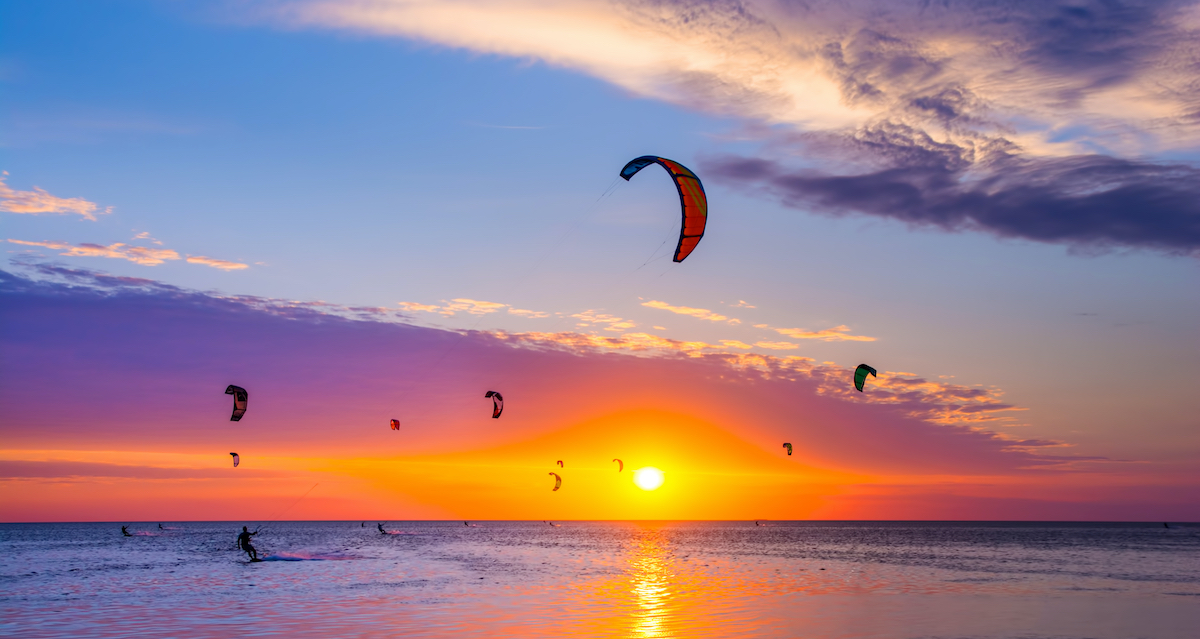
The Best Places for Kitesurfing: Imagine gliding effortlessly over crystal clear waters, kept afloat solely by the power of the wind and your trusty kite. The sun is hanging low in the sky painting the horizon with hues of pink and orange, but all you can feel is the intoxicating thrill of riding the waves. You’re kitesurfing in one of the best destinations worldwide. Welcome to Kitesurfing Paradise! Ready to explore these spectacular spots renowned for consistent winds, stunning scenery, and excellent kitesurfing conditions? Buckle up – your journey starts here!
The best places for kitesurfing vary depending on your skill level and preferences. Some top destinations include Cabarete, Dominican Republic for its great wind, water, and waves; La Ventana, Mexico for its smooth and consistent wind; Tarifa, Spain for its strong winds and sunny weather; Baja California, Mexico for its flat calm waters and newly converted kite park; Sri Lanka’s west coast for its consistent winds and protected sandbar; and Hawaii, USA for its warm temperatures, consistent winds, and lively atmosphere. These locations offer diverse experiences from freestyling to wave riding and are all popular among kitesurfers worldwide.
Discover The Best Places for Kitesurfing
Kitesurfing is not only a thrilling activity but an excellent way to explore new places. Whether you are a seasoned kiter or a beginner, there’s no shortage of kitesurfing paradises around the world that will take your breath away. From warm waters and consistent winds to stunning landscapes and welcoming communities, there are so many reasons why these destinations should be on every kiter’s bucket list.
One of the most popular kitesurfing paradises in the world is Cabarete, located in the Dominican Republic. This vibrant town offers everything you need for a perfect kiteboarding holiday – warm water, consistent winds, and waves for all levels. Kite Beach, which is just a short walk from the town center, is a paradise for freestyle riders with smooth flat water and light offshore winds. When you’re not on the water, Cabarete has plenty of options for dining and nightlife. The nearby airport makes it easy to get to for kiters from all over the world.
Another fantastic kitesurfing paradise is Tarifa in Southern Spain. With its long sandy beaches and strong Levante winds blowing from Africa, Tarifa provides ideal conditions for advanced riders looking for some adrenaline-filled sessions. However, beginners can also enjoy this spot – depending on the time of day – when the Poniente wind blows like clockwork in the afternoon providing perfect learning conditions.
Some lesser-known but still impressive kitesurfing destinations include Dahab in Egypt or Preá Beach in Brazil. While many people think of Sharm El Sheik as Egypt’s prime kiting destination, Dahab remains one of Egypt’s hallmark spots with some great flat water riding combined with Arabian desert scenery and local culture. On another note: Preá Beach in Brazil boasts year-round warm temperatures, turquoise waters, and consistent winds, attracting a growing number of kitesurfers each year. However, one aspect to keep in mind is that kite schools in Preá are not organized as well-established schools or kite centers in other destinations.
With all those paradises in mind, let’s dive into more detail on some of the best destinations in North and South America.
Destinations in North and South America
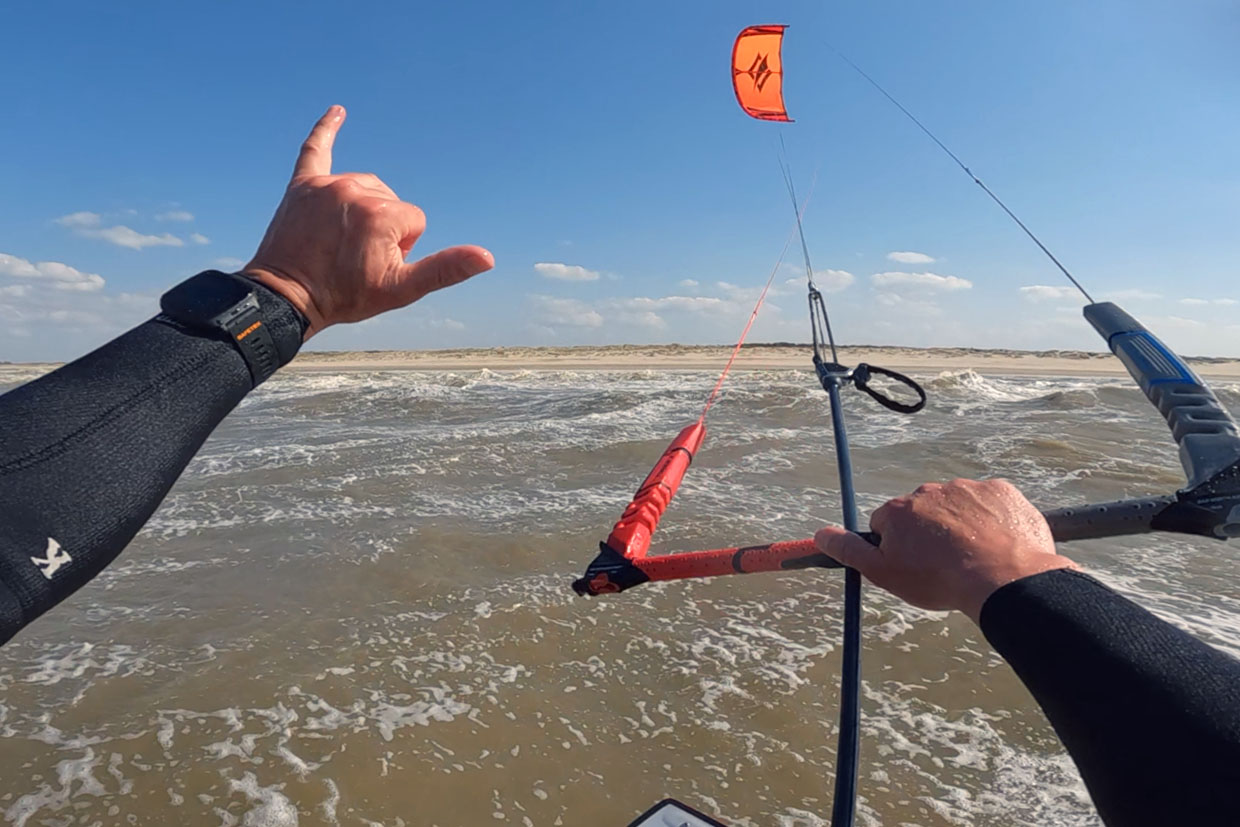
North and South America are home to some of the best kitesurfing spots in the world, offering something for all levels of riders. From flat-water lagoons to epic wave riding, these destinations will make your kitesurfing dreams come true.
Hawaii has long been known as one of the world’s top kitesurfing spots, with almost 50 kilometers of beaches providing endless kiting opportunities for riders of all levels. Warm temperatures, consistent trade winds, and a lively party atmosphere make Hawaii a great kitesurfing destination year-round.
Baja California Sur is another amazing destination that combines spectacular scenery with excellent kitesurfing conditions. The newly converted kite park is likely to become one of the star attractions on the Baja Peninsula and increase its popularity with advanced riders, looking for perfect flat water conditions, or wave junkies seeking remote surf breaks.
For those who prefer exploring off-the-beaten-path destinations, La Ventana in Mexico or Punta Chame Beach in Panama offer pristine beaches with plenty of room to ride. La Ventana is especially known for its smooth and consistent afternoon wind blowing almost daily from November through March. This friendly community has laid-back vibes with bars overlooking the ocean where visitors can catch up with other riders.
- North and South America offer some of the best kitesurfing destinations in the world, catering to riders of all levels. Hawaii is a year-round hotspot with plenty of beaches and an exciting party atmosphere, while Baja California Sur offers stunning scenery and perfect flat-water conditions for advanced riders. For those seeking lesser-known destinations, La Ventana in Mexico or Punta Chame Beach in Panama provide pristine beaches with consistent afternoon winds, and a relaxed atmosphere to meet like-minded kiteboarders.
European Kitesurfing Treasures
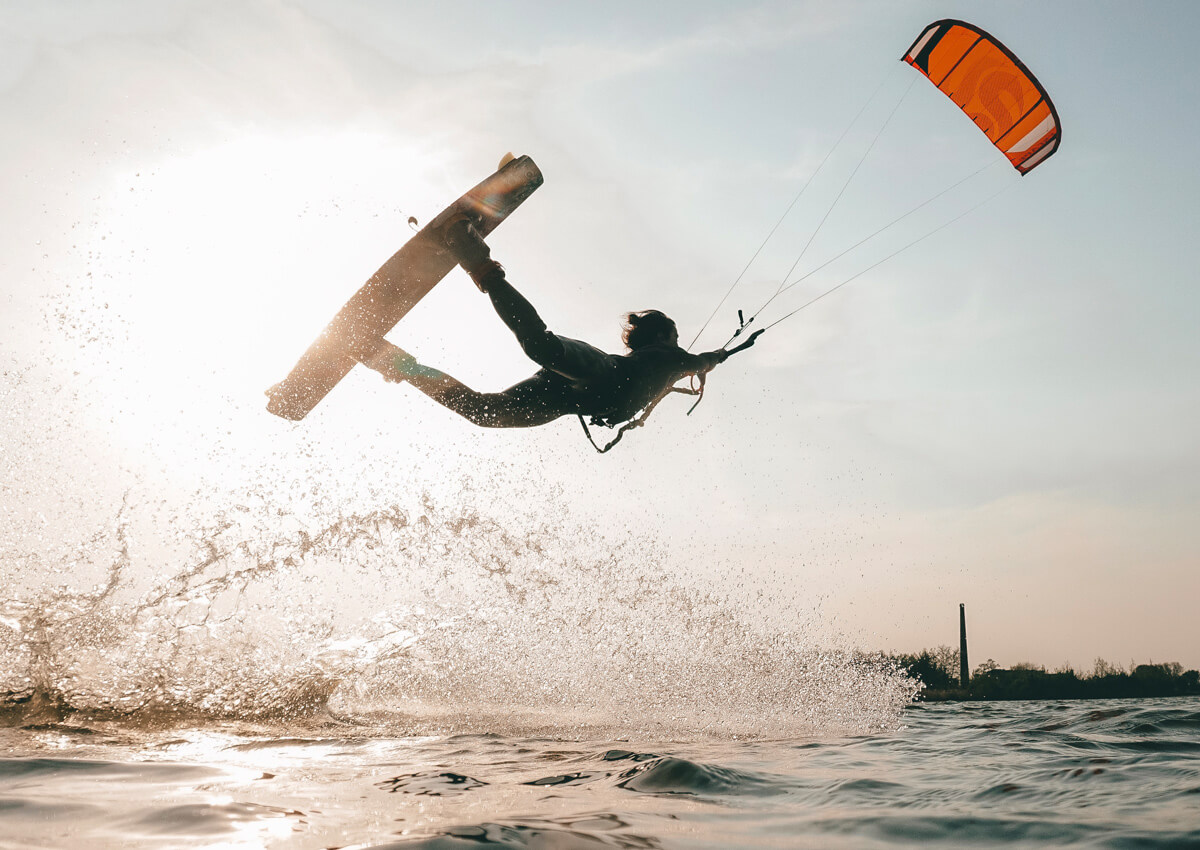
Europe has some of the most beautiful and diverse kitesurfing spots in the world, offering something for every level of rider – from complete beginners to seasoned professionals. The continent’s west coast is blessed with consistent winds which make it an ideal destination for kitesurfers. In addition, the Mediterranean provides excellent riding conditions during the warmer months.
One of Europe’s top kitesurfing destinations is Tarifa, Spain. This small town on Spain’s southern coast boasts a 10km stretch of beach that offers consistent winds throughout the year. The street in Tarifa is full of kiteboarding schools and shops where you can rent equipment or improve your skills. Tarifa is also known for its energetic nightlife and vibrant restaurant scene, making it a great place to wind down after a long day on the water.
Portugal’s Costa de Prata (Silver Coast) is another must-visit spot for kitesurfers. Unlike other places along the Portuguese coastline, this region remains relatively untouched by tourism and retains its authentic charm. The beaches here are some of the most beautiful in Europe, and there are plenty of spots that cater to all levels of riders. Baleal Beach near Peniche is famous for its long waves, making it a popular destination for wave-riding enthusiasts. Meanwhile, Foz do Arelho offers flat shallow waters suitable for beginners.
Despite not being as well-known as Tarifa or Costa de Prata, Sardinia, Italy is an up-and-coming kitesurfing paradise worth checking out. The island boasts crystal-clear waters and white sandy beaches stretching over 2,000 km along its rugged coastline. Porto Pollo Beach on the northwest coast has perfect conditions for freestyling, thanks to its strong and steady winds blowing between two shores.
The downside is that the local authorities have set up restricted areas to protect the sea’s Posidonia meadows, which limits the space available for kitesurfing. So, if you’re visiting Sardinia purely for kitesurfing, it’s essential to plan your trip outside of these areas or risk getting fined.
Portugal’s Azores archipelago offers a unique kitesurfing experience not found anywhere else in Europe. Here, the waters are a deep blue and filled with an abundance of marine life including dolphins and whales. Santa Maria Island has some of the most exceptional kitesurfing spots in the Azores thanks to its sunny weather and natural wave formations. The island is home to numerous kite schools and rental shops, which offer equipment for all levels of riders.
Asian and African Kitesurfing Spots

When it comes to kitesurfing locations in Asia and Africa, there is no shortage of breathtaking destinations with windy lagoons, pristine beaches, and warm water. Whether you’re into freestyling or wave-riding, these continents have something for everyone.
Vietnam’s Mui Ne Beach draws huge crowds each winter when winds from Siberia turn this area into a kitesurfer’s paradise. The beach stretches over 15km along Vietnam’s south-central coast and offers plenty of space for all levels of riders. The steady cross-onshore wind makes it easier for beginners to learn while offering enough power for freestylers and wave-riders alike.
South Africa’s Cape Town is undoubtedly one of the world’s best places to kitesurf. Bloubergstrand Beach (also known as Kite Beach) offers consistently strong winds that create ideal conditions for jumping and freestyle sessions. Waves can reach several meters high towards the end of the season between November and January, making it perfect for seasoned riders.
On the other hand, if you’re looking for a laid-back kitesurfing trip in Africa, head to Essaouira, a small fishing town located on Morocco’s Atlantic coast. Essaouira is world-renowned for its fine-sand beaches and strong wind conditions, making it a top choice for wave-riding enthusiasts. The beach next to the historic Skala fortress has a shallow lagoon perfect for beginners and also offers rental equipment and lessons.
Zanzibar, Tanzania, is another hidden gem that’s quickly establishing itself as one of Africa’s top kitesurfing destinations. With white sandy beaches stretching over 25 km along its coastline, Zanzibar offers clear turquoise waters with gorgeous coral reefs visible below the surface. Paje Beach is the go-to spot for kitesurfing with consistent wind blowing throughout the day. In addition to kitesurfing, visitors can enjoy traditional markets, diving & snorkeling excursions, and other activities.
Sri Lanka’s Kalpitiya Lagoon is an up-and-coming destination that is increasingly popular among professional riders on the GKA Kite World Tour. This beautiful lagoon covers 100km² and boasts excellent water quality with no current or swell interference – perfect conditions for freestyle and flatwater training sessions. However, the wind can be very gusty at times so it’s recommended to come here between May and September when the winds are more stable.
Weather Elements for Ideal Kitesurfing
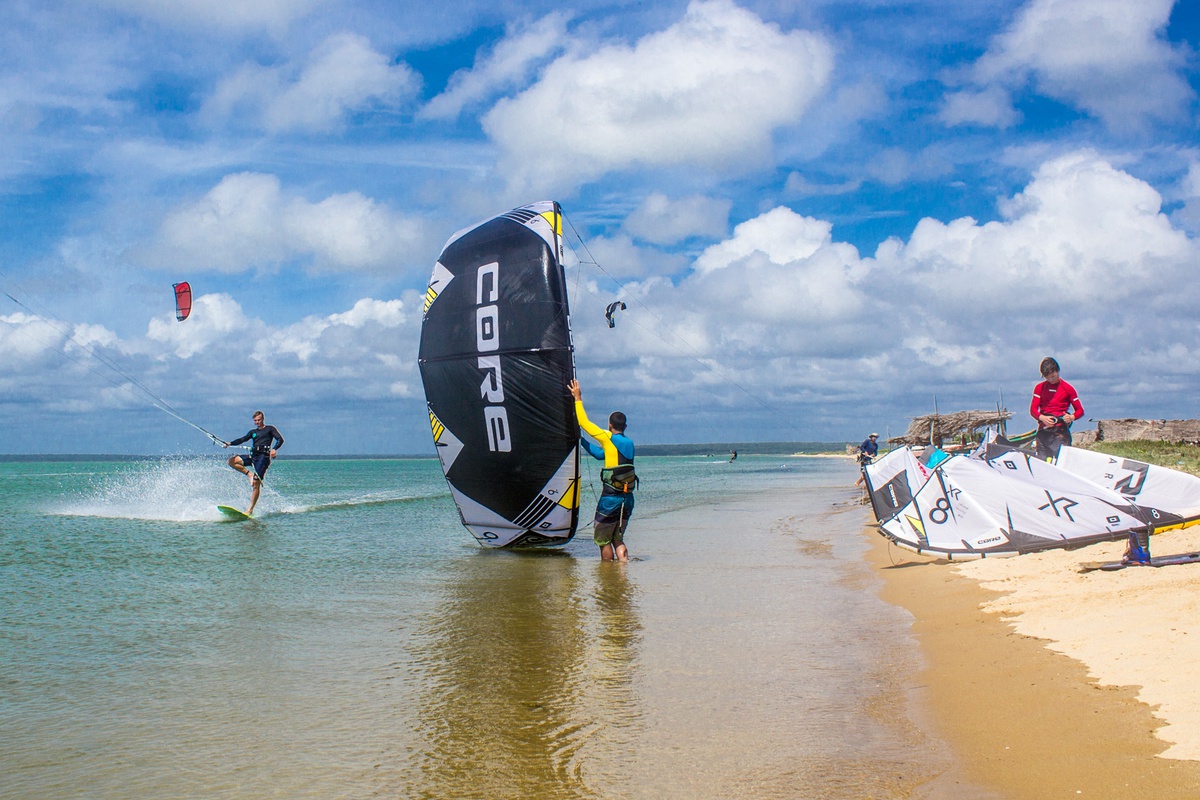
Kitesurfing is all about using the elements to glide and spin across the water. To ensure a successful kitesurfing adventure, it’s essential to consider the weather elements that impact this thrilling sport.
Warm weather
Kitesurfing requires warm weather as the wind can be chilly on the skin while gliding across the water. The ideal temperature for kitesurfing should range between 20-30°C (68-86°F) in which wetsuits are optional if you are comfortable enough with warmer temperatures. When the air and water temperatures are too different, thermal shock and hypothermia can occur.
Readable Waves
For kitesurfers looking for a little extra action on top of regular freeriding, readable waves are essential. These waves provide an excellent opportunity to jump up into the air and perform various tricks. A wave ranges from 2ft – 8ft or any bigger size depending on one’s competence level. The best locations for reading clear waves include spots with offshore winds or those bordered by sandbars that tame incoming swells.
Stable Winds
Strong but steady winds are a fundamental aspect for The Best Places for Kitesurfing. Stable winds help maintain kite control, allowing the rider to focus on their board and movement without worrying about sudden gusts that can compromise control; unlike sports like sailing where strong gusts are necessary to improve sailing speed. Solid side-shore winds ranging between 12-35 knots (15 – 40 mph) provide an excellent riding experience.
Calms Waters
While it may seem contradictory, flat calm waters offer some of the most incredible kitesurfing experiences available in specific locations worldwide. The best examples of such meeting points include shallow lagoons where a soft breeze blows across their surfaces creating glassy smooth water with very little chop. It’s important to note that calmer waters may attract less experienced riders, who can be a distraction and lead to accidents.
Once you have considered these essential weather elements, you can then move on to the next vital aspect of kitesurfing: wind, wave, and climate essentials.
Wind, Wave, and Climate Essentials
While weather elements are indeed significant factors in kitesurfing, attention should also be paid to other crucial aspects such as wind patterns, climate conditions, and the type of waves found in various locations worldwide.
The Best Places for Kitesurfing: Wind
As mentioned earlier, stable winds are fundamental for kitesurfing. The best wind directions for kitesurfing are perpendicular or parallel to the shoreline; avoid offshore or on-shore winds in which you can end up in difficult situations. A stronger wind also requires more power from the kite which makes it faster and thus a more potential safety hazard.
Wave Size
The size of waves is an essential factor in selecting the perfect spot for your kitesurfing adventure. If you’re looking to perform aerial tricks or jumps, opt for higher or critical waves in beach breaks like Hossegor France or Cloudbreak Fiji but if big waves aren’t your thing then perpetual ankle bitters could be ideal in shallow lagoons like Dumaguete Philippines or Alacati Turkey.
Climate Conditions
Kitesurfers should keep in mind the prevailing climate conditions just as surfers would research ambient water temperature before they choose their surfing grounds; kitesurfers need proper climate conditions. The ideal condition is one where crystal clear skies meet high temperatures with solid side-shore winds which makes for good photographic opportunities during morning light shoots or golden hours shot at sunset/sunrise.
Tidal Conditions
Tidal conditions are what create different types of waves and unusual sand formations that you can use to your advantage when kitesurfing. To get the best tidal state, research how tides work before choosing a destination; kitesurfers should pay attention or take advice on the optimal tide at any surf spot. It’s important to note that some spots with dynamic tides might be challenging for beginners.
Taking all these factors into account, kitesurfing can be an exhilarating sport regardless of your skill level. From calm waters in Dumaguete to high swells in Maui, enjoying the elements and discovering new destinations around the world can make for some unforgettable and thrilling kitesurfing experiences.
- According to the Global Kitesports Association, Hawaii, USA with its almost 50km of beaches and consistent wind is considered as one of the top world destinations for kitesurfing.
- As noted by Windfinder’s annual statistics report, Tarifa in Southern Spain is Europe’s prime kitesurfing destination, known for its strong winds blowing over 300 days a year on its 10km stretch of beach.
- A survey conducted by International Kiteboarding Organization denoted that Baja California, Mexico with its UNESCO World Heritage status and perfect wind conditions, attracted a significant influx of all level kitesurfers in 2022, further cementing its position among the top global kitesurfing locations.
The Best Places for Kitesurfing: Kitesurfing Equipment and Safety

Kitesurfing is an exhilarating and exciting watersport that requires appropriate equipment, proper training, and safety precautions. The right kitesurfing gear not only enhances performance but also ensures safety while riding.
The most essential piece of kitesurfing gear is the kite itself. Kites come in different sizes and shapes to suit various wind conditions and styles of riding. A beginner kit should ideally consist of a smaller kite size that is easy to control. As you progress and become comfortable with larger kites, you can upgrade to a bigger size depending on your weight, level of experience, and wind conditions.
Another vital piece of equipment in kitesurfing is the board. Boards come in various sizes, shapes, and materials based on usage – freeride, wave riding, or racing. The board’s design allows smooth maneuverability and enhanced control while riding.
Apart from a kite and board, other critical pieces of gear include harnesses, wetsuits, boots, helmets, impact vests, and safety leashes. Harnesses come in two types – waist harnesses for beginners and seat harnesses for more advanced riders looking for increased support. Wetsuits keep you warm in cold water conditions and also provide protection against sharp objects like seashells or rocks underwater.
Kitesurfers must have sound knowledge about safety regulations like right-of-way rules and hand signals to avoid accidents with other riders. Every rider must check weather forecasts before heading out as kitesurfing requires specific weather conditions- consistent winds with ideal speed and wave height.
While on my trip to Cabarete in the Dominican Republic (as mentioned by a competitor), I met a beginner who had ignored gear recommendations from their instructor, resulting in them struggling to control a larger kite size than they could handle. Their experience highlights the value of appropriate equipment at every stage of kitesurfing.
It is necessary to invest in proper gear, not only to improve the quality of your kitesurfing experience but also for safety reasons. Wearing a wetsuit reduces the risk of hypothermia and protects against UV rays, while helmets and impact vests cushion the impact of falls and protect against head injuries. Neglecting equipment guidelines can lead to accidents that may cause severe injuries, making it of utmost importance to prioritize safety.
On the other hand, certain riders may consider purchasing equipment a significant expense. While renting might seem like a cheaper option upfront, investing in personal gear could help save money in the long run and also provide better performance. Renting might not allow consistency with ideal board sizes that perfectly fit your body type or suitable kite sizes based on wind speed. Additionally, owning personal gear avoids any compromise on hygiene.
The Best Places for Kitesurfing: from Beginner to Advanced Level Spots
Kitesurfing offers a range of experiences across different levels- beginner, intermediate, and advanced. As you progress and gain confidence, you can explore more challenging areas with new weather conditions and unique landscapes.
One such exciting destination for beginners is Puerto Rico’s swimming beach near San Juan. The gentle waves inshore and lack of currents make it the perfect spot for those starting on calm waters or working on their first jumps.
For intermediate riders looking for diverse riding experiences, Cabarete’s Kite Beach is an all-encompassing location. Waves that range from large swells out further towards sea to smaller waves breaking closer to shore are perfect for practicing wave riding skills.
Advanced-level riders looking for experiences beyond conventional kitesurfing would enjoy Big Bay in La Ventana, Mexico. With consistent winds ranging from 20-30 knots blowing almost every afternoon between November and March, this spacious bay is not overcrowded and creates a friendly and open-minded kiteboarding community.
While in Tarifa, one place that I found striking was Playa Valdevaqueros. The stunning environment- long dunes flanked by the Atlantic and shadowed by mountains made an exciting setting to ride in. The smooth waves on the beach allowed for perfect wave riding without overpowering wind conditions, making it my preferred location for advanced-level kitesurfing.
Whether you’re looking to practice freestyling or wave riding, different destinations offer unique experiences at varying levels of difficulty, making the sport accessible to everyone. Beginner spots with calmer water conditions and gentle waves allow riders to learn basic skills while taking in the surrounding scenery. Advanced-level locations feature strong winds, larger waves, and specialized equipment providing more challenging riding opportunities.
However, it’s important to note that advanced-level spots do not necessarily mean unsafe conditions or exclude beginners from exploring those regions. Riders should know their level of expertise before attempting new areas and seek guidance from experienced riders or local professionals who can provide safety tips or points of caution.
The Best Places for Kitesurfing: Kitesurfing continues to attract adventure seekers worldwide with its unique combination of thrill and athleticism. By following gear guidelines, safety precautions, and exploring different destinations based on experience level, riders can enjoy unmatched experiences kitesurfing around the world.