Ever stood at the precipice of the glittering sea, feeling the wind bob and weave through your hair, and wondered whether to harness its wild power for windsurfing or kitesurfing? You’re not alone. This age-old debate has spurred endless discussions among water sports enthusiasts. Is it the exhilarating rush of kitesurfing that trumps all, with its high-flying jumps and tricks? Or does windsurfing’s precision control and speed hold the ultimate charm? Strap in as we delve into a head-to-head comparison between these two maritime titans in “Kitesurfing vs Windsurfing: Which is Better?” —defining a clear winner might just be trickier than you think!
Kitesurfing involves using a small surfboard attached to your feet and a harness connected to a large kite to catch the wind and propel you across the water. Windsurfing involves using a board with an attached sail that is anchored to the board. In summary, windsurfing is easier to learn but more physically demanding, while kitesurfing requires more specialized knowledge and equipment, but can be more versatile in different wind conditions and provides more freedom of movement on the water.
Kitesurfing vs Windsurfing: An Overview
Kitesurfing and windsurfing are two of the most exhilarating water sports activities that involve riding on waves using sails or kites to catch the wind. While both share some similarities, they differ in terms of techniques, skills, equipment used, and benefits. In this section, we will take an in-depth look at the overview of kitesurfing vs windsurfing.
In terms of popularity, kitesurfing has gained more traction over the years among water sports enthusiasts due to its adrenaline pumping nature and aerial acrobatics involved. The sport involves wind-powered boards having foot straps attached which you use to glide through the surface of the water. Meanwhile, windsurfing utilizes a board mounted with a sail for gliding on water propelled by the wind.
When comparing kitesurfing to windsurfing in regards to difficulty, it’s commonly believed that kitesurfing is tougher to learn than windsurfing due to the complexity of handling a kite and board simultaneously while balancing on the water. On the other hand, windsurfing is easier to learn as it only requires mastering how to control the board’s angle coupled with sail steering basics.
If we compare these two sports to driving manual vs. learning automatic cars, kitesurfing is like driving stick-shift; it takes longer and more complicated coordination between hands and feet. Meanwhile, windsurfing is like learning automatic; once you’ve mastered the basic principles, you’re pretty much good to go.
However, there is still a debate in these two communities about which side is harder regarding learning curves. Some argue that because kites have four or five lines (and thus needing more coordination) instead of only one with a typical wind surfboard sail type rig, it makes learning easier for the kite rider.
Next, we’ll move onto the gears used in both kitesurfing and windsurfing to highlight the differences between equipment sets used by both these sports.
Equipment used in Kitesurfing
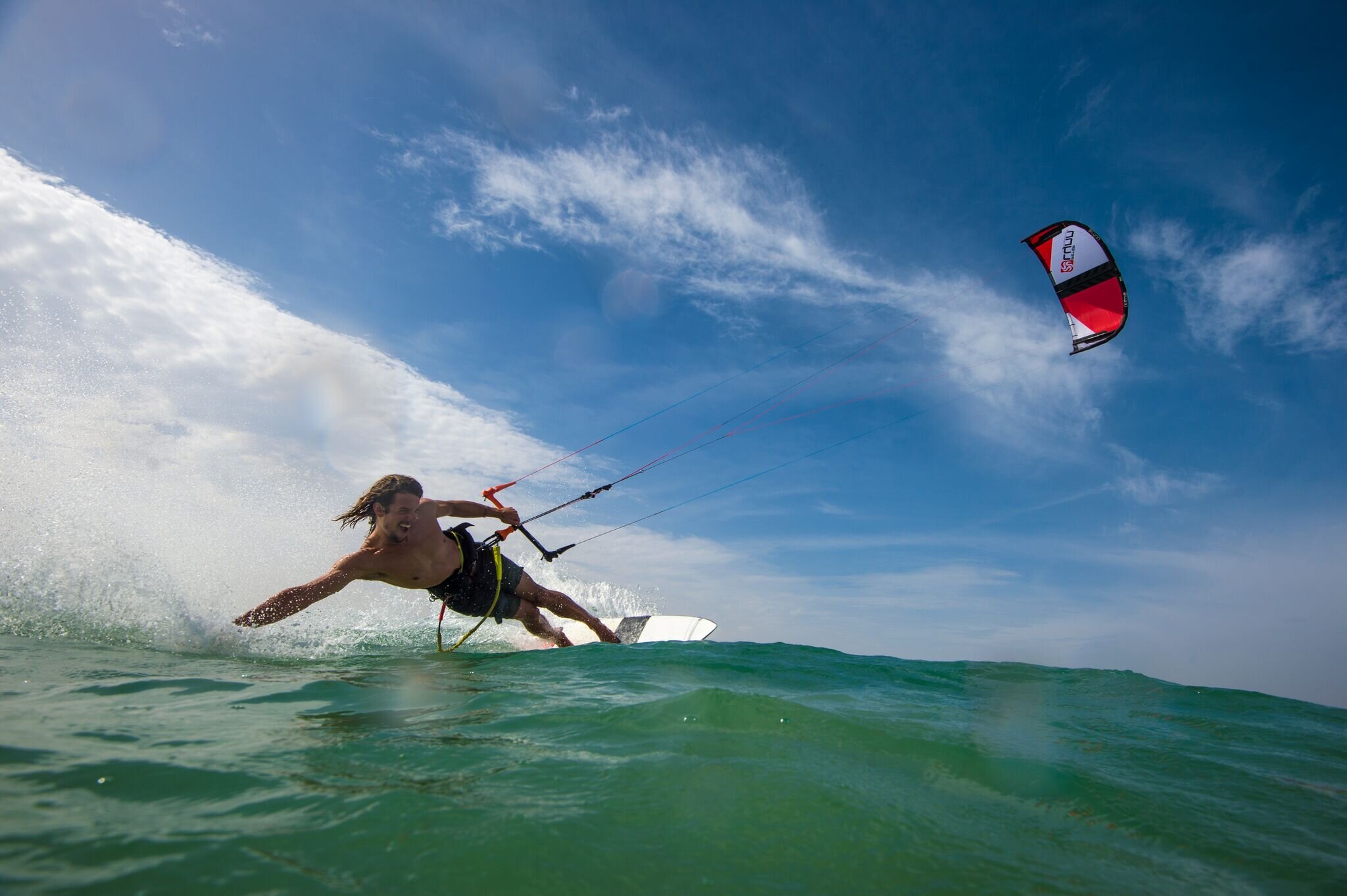
When it comes to kitesurfing, a lot of gear and equipment are crucial to ensure a safe yet exhilarating experience. This section will delve into each component that is required for kitesurfing.
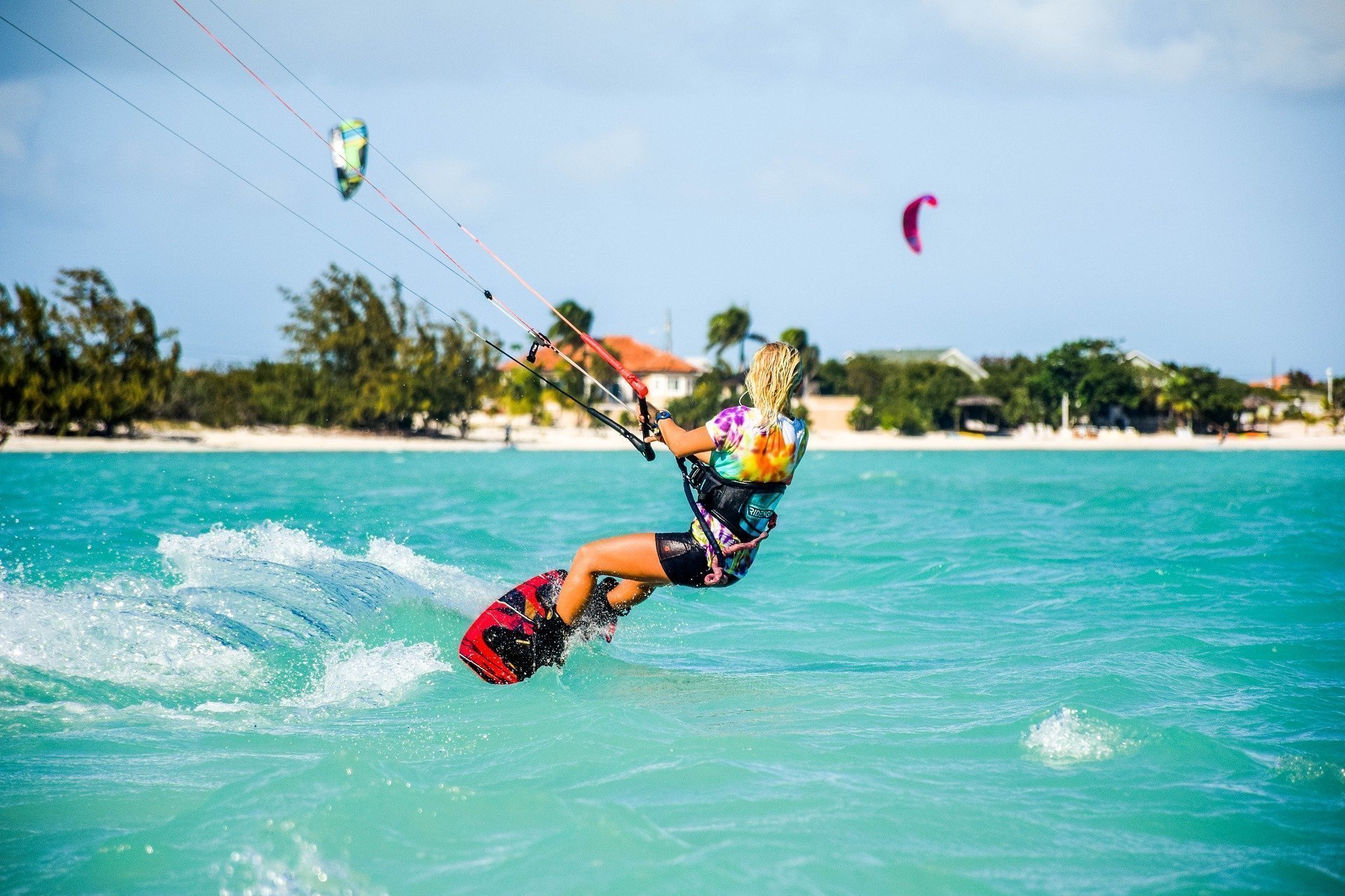
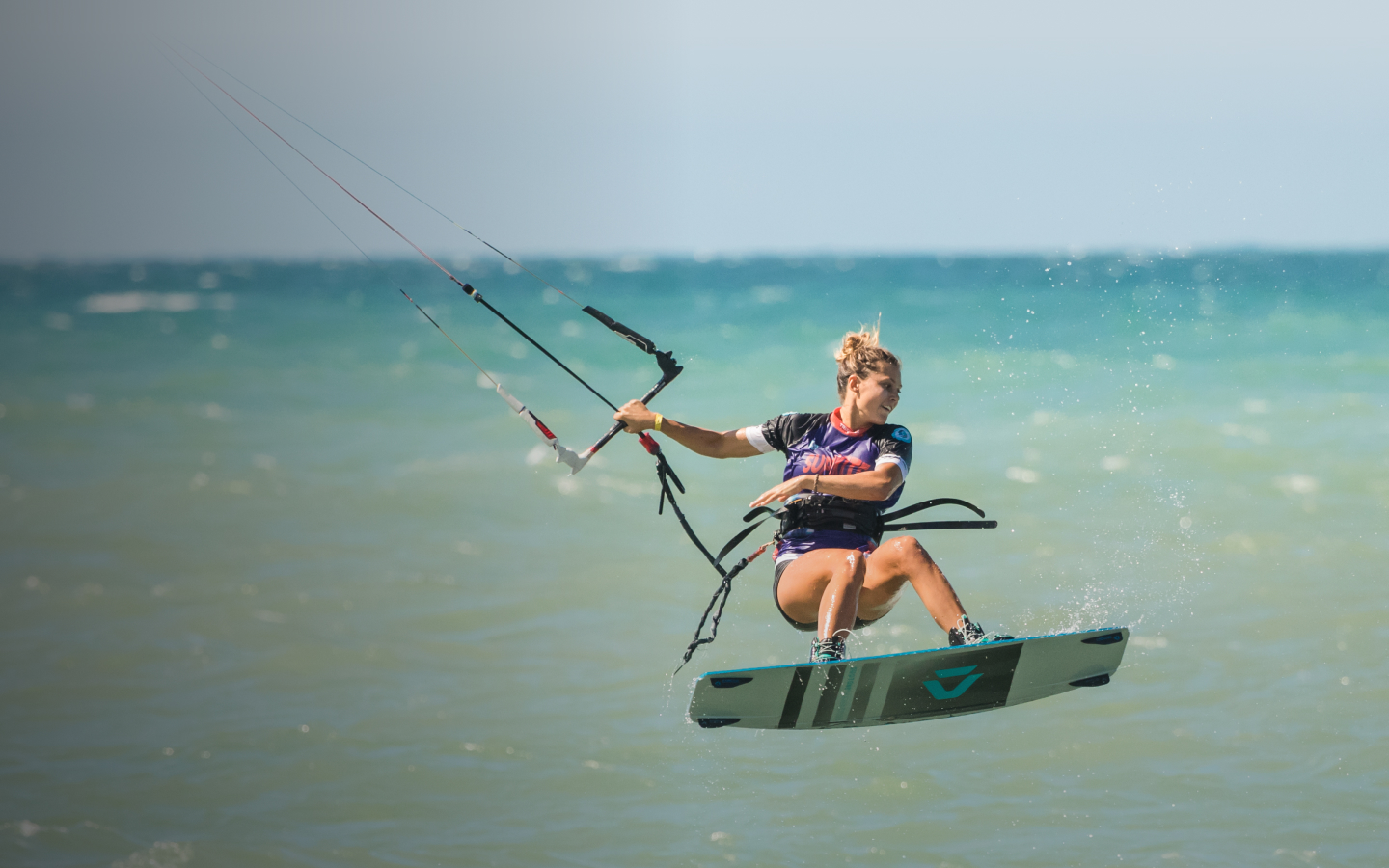
The most significant piece of equipment during kitesurfing is the kite itself. It’s primarily responsible for pulling and controlling your movements on the water while catching wind currents. Kites come in different types and sizes depending on user preferences, ranging from small stunt kites to massive inflatable power kites.
Harnesses are another important component, allowing kinetic energy transfer from your body to the kite through harness lines. The harness should fit snuggly around your waist or torso with a hook directly connected to the kite via cords.
The next piece of equipment is the board. Boards vary significantly and need personal preference consideration revolving around size, shape, weight, fins, rocker shapes, channels and concave shapes and rails designed for varying conditions. Some boards have slick bottoms or surfboard-like structures which enable better maneuverability.
Another critical bit of kit needed is the control system; this links the kite to you via lines that you can use to control kiting maneuvers like turning or steering. They also include safety features like quick releases in case one needs to let go of their kite fast.
Lastly, personal flotation devices (PFD), wetsuits, boots/straps are must-haves when going out there given waters exposed state under different wind patterns naturally occurring throughout sessions.
Some people argue that kitesurfing gear is a bit easier to carry for travel modes like backpacks or duffel bags which may be more comfortable as compared windsurfing gear, which can be large and cumbersome to transport.
We have now looked into the necessary equipment for kitesurfing, and it’s time to look at windsurfing.
- According to a study in the Journal of Sports Sciences, participants in both windsurfing and kitesurfing experience high heart rates, demonstrating considerable cardiovascular demands in both sports.
- A 2016 survey conducted by the Watersports Participation Bureau found that there were approximately 262,000 kitesurfers as compared to 160,000 windsurfers in the USA.
- An accident analysis on extreme sports published in The Orthopedic Journal of Sports Medicine revealed that kitesurfing accounted for more traumatic injuries (27.5%) than windsurfing (17.7%).
Equipment used in Windsurfing
Windsurfing is a sport that requires a specific set of equipment to be able to practice it safely and enjoyably. The gear used in windsurfing tends to be more cumbersome than the one used in kitesurfing due to the needs of having a sail attached to the board.
The basis of windsurfing is having an appropriate windsurf board. These boards come in a wide range of shapes and sizes, depending on what type of windsurfing you intend to do, whether it is freestyle windsurfing, wave-riding windsurfing, or long-distance cruising. The multiple types of boards allow you to experiment and adapt your skills accordingly.
Windsurf sails vary in size from approximately 3 square meters for kids and beginners up to 12 square meters for strong wind conditions or heavier riders. Sails can be adapted by removing sections known as battens, which allow them to flatten out and reduce their surface area in high wind conditions.
The mast attaches the sail to the board with a universal joint at its base. It usually ranges between 4-5 meters long and provides stability while windsurfing.
An adjustable harness is worn around the waist through which the sailor connects themselves to the boom or bar, allowing them greater control over the sail. The type of harness used can depend on whether you prefer waist or seat harnesses (which fit around your hips).
Finally, the fins located beneath the board provide stability on water surfaces throughout windsurfing moves. The size of these shaping elements depends on the board length and its type.
For someone who has never tried windsurfing before, choosing or sizing equipment can seem like a daunting task. Although understanding these pieces’ roles is essential, consulting with local experts can speed up this process immensely. Their suggestions will be based on your skill level, weight, wind conditions in your area, and budget.
Windsurfing equipment is known to last longer than kitesurfing due to its sturdier build. Worn out sails and boards are easy to repair or refurbish, which can extend their lifespan.
It’s worth noting that while windsurfing may require more gear compared to kitesurfing, its ease of use within its beginner’s stages allows people to accumulate knowledge quickly. These people can progress into using specialist equipment and sports styles with greater speed than compared to kitesurfers.
However, if you’re interested in a more extreme watersport where you need less equipment, then kitesurfing could be the discipline you want to check out.
- Windsurfing requires a specific set of equipment, including a windsurf board, sail, mast, harness, and fins. The gear used in windsurfing tends to be more cumbersome than the one used in kitesurfing due to the needs of having a sail attached to the board. The multiple types of boards and sails allow for experimentation with different styles of windsurfing. Although choosing or sizing equipment can seem daunting, consulting with local experts can speed up the process. Windsurfing equipment is known for its sturdier build and longer lifespan compared to kitesurfing gear. Additionally, windsurfing is easier to learn in its beginner stages, allowing for quick progression into specialist equipment and styles. However, if you’re interested in a more extreme watersport that requires less equipment, kitesurfing might be the discipline for you.
Techniques and Skills: Kitesurfing vs Windsurfing

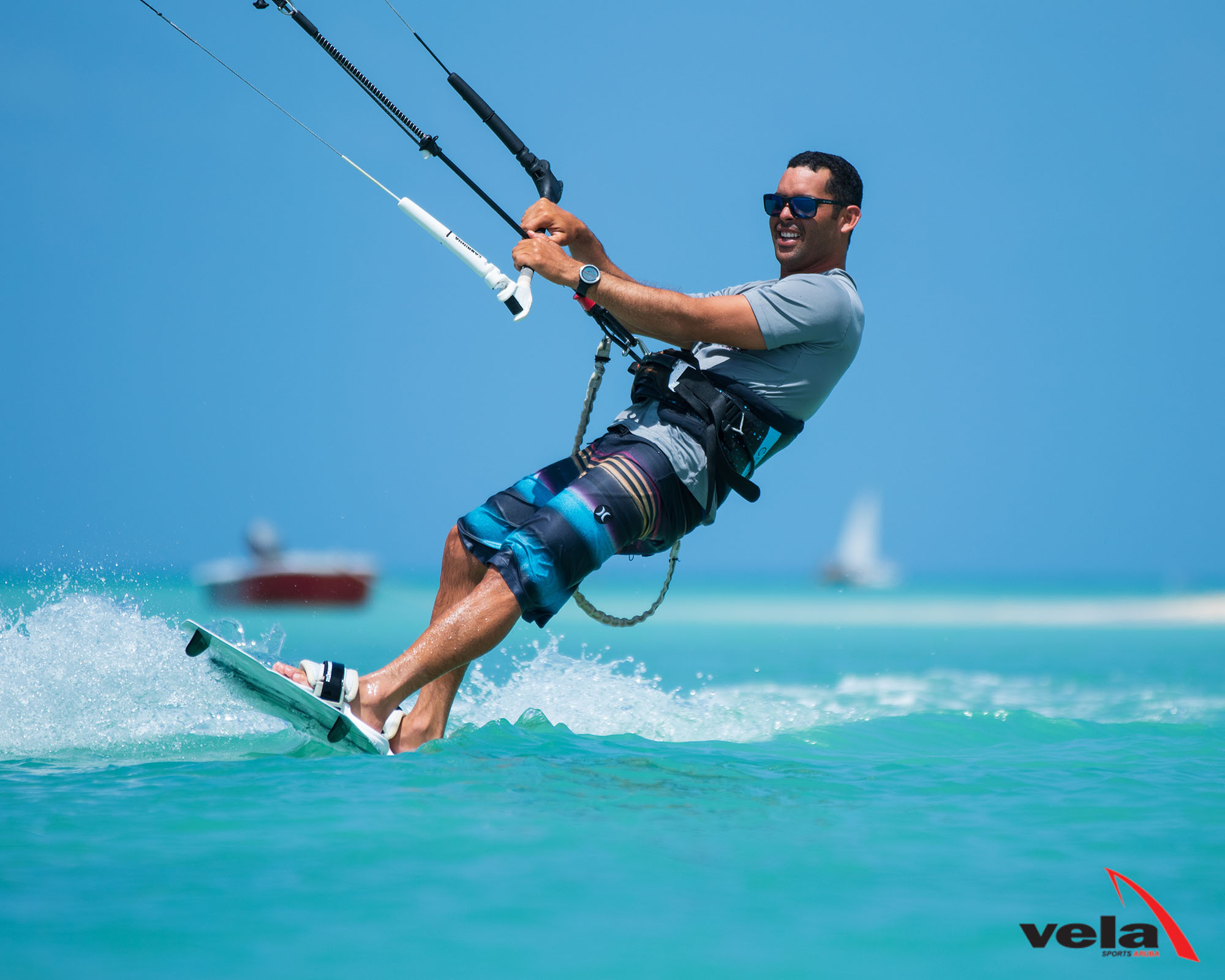
Windsurfing involves standing on the board with your feet firmly attached through straps while handling the sail. In contrast, kitesurfing involves employing a large controllable kite that powers a rider forward when connected to a harness. Riders stand on specifically designed foot straps on a smaller board, allowing them greater freedom of movement and control over their ride.
In windsurfing, steering occurs via an adjustment of the sail’s angle to the wind. The sailor leans back toward the sail to move upwind, while leaning forward will push them downwind. All moves involve balance, weight adjustment, sail handling techniques such as rigging and de-rigging the equipment.
Kitesurfing relies heavily on kite control skills passed on by kiters into both theory (sail trim skills) and practice (water re-launch skills), depending on the wind conditions along with rider preference. The art of body dragging using your kite skills requires significant training before attempting.
Many kitesurfers suggest that mastering the kite takes around five lessons for someone never having flown a kite before, and then it usually takes ten hours of practice to feel comfortable using the equipment by yourself. While windsurfing can also allow you to pick up the fundamentals within five lessons, harnessing the wind’s power increases in difficulty.
In terms of physical requirements, kitesurfing may be less strenuous than windsurfing towards the experienced user. Although both sports require a certain level of stamina and endurance across their different techniques and moves. As well as building your core strength ability and flexibility, discipline, commitment are essential skills to learn and develop for both watersports over time.
With any sport, although there are similarities in both disciplines, no two people will have an identical experience or learn at the same pace. Ultimately it comes down to what feels most natural to you.
Imagine trying to learn how to drive a car for the first time after having only ridden a bike until that point. The base skills such as balance and steering should help ease into it much quicker knowing your previous experiences helped hone those abilities.
Now we’ve taken a deeper dive into the type of equipment used in each discipline along with their specific techniques; it’s essential to consider any differences between benefits/issues with each sport’s unique strokes in our next session.
Riding the Waves in Kitesurfing
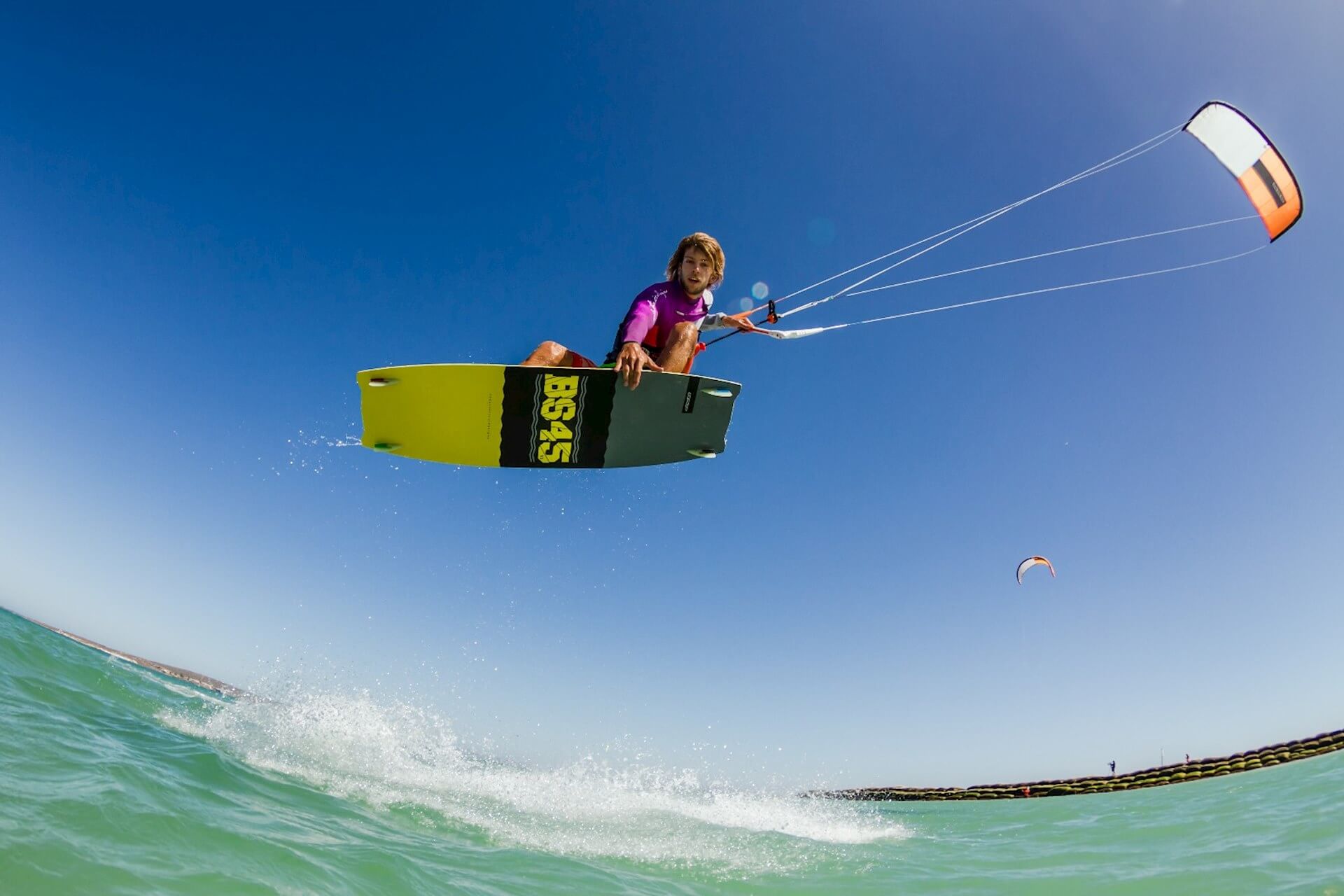
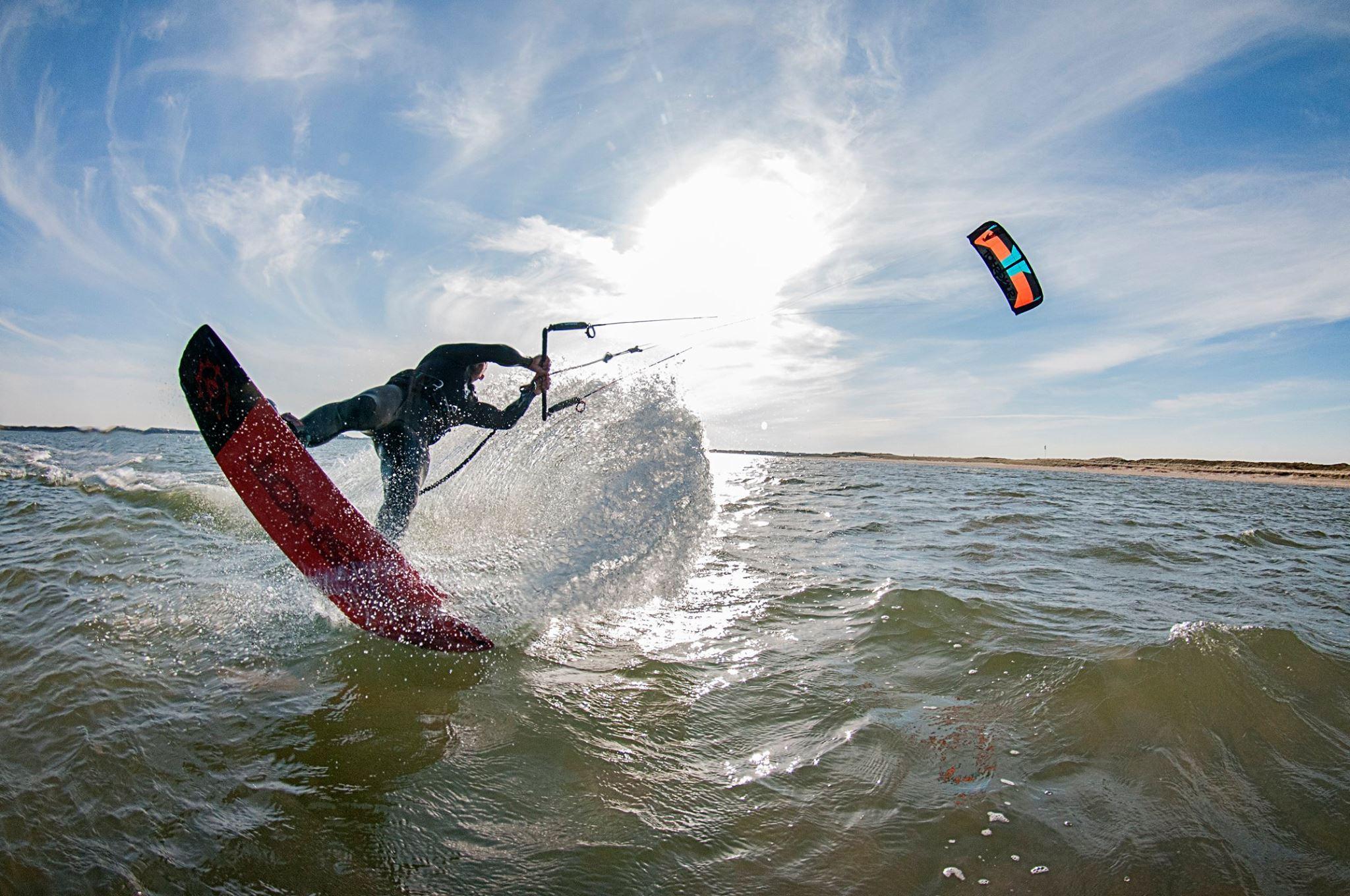
Riding the waves is one of the most exhilarating experiences when it comes to kitesurfing. The thrill of gliding across the water, jumping into the air, and soaring high above the waves is something that is hard to describe in words. Whether you are an experienced rider or a beginner, riding the waves is an essential part of kitesurfing.
One thing that sets kitesurfing apart from other watersports is the freedom it provides. Unlike windsurfing, where riders are tethered to their sail, kitesurfers have greater mobility and can ride waves more freely. This allows kitesurfers to navigate through choppy waters and maneuver over waves with ease. It’s not just about speed or height; it’s about control.
When water conditions and wind speed are optimal, kitesurfers have access to nearly unlimited wave-riding potential. With practice, riders can jump higher and higher into the air while performing cool tricks like spins or flips. Additionally, many riders develop their own unique styles based on personal preferences.
However, for beginners just starting out with kitesurfing, it can be challenging to get up on a board and tackle waves effectively. One mistake could lead to a wipeout or result in losing control of the kite. While there are risks involved in all watersports activities, kitesurfing requires a bit more caution as its nature makes it prone to accidents without proper handling.
Imagine being pulled by a powerful force along with your surfboard beneath you as you face towards where you’re headed – even if that means facing up in the sky mid-flight – while crunching through each wave as they pound against your feet and shins.
So how does wave riding in kitesurfing compare to that of windsurfing?
Riding the Waves in Windsurfing
Windsurfing has a long history of wave riding as well, with many professional riders dominating in competitions. For those who enjoy adrenaline and having a good time on the water, riding waves in windsurfing brings a different type of excitement.
To ride waves in windsurfing, riders must be skilled at controlling their sail while tackling waves. This allows them to catch the wave’s energy and ride it downwind. Experienced windsurfers can jump high into the air with their board before landing back on top of the next wave, which can make for a thrilling experience. Compared to kitesurfing, windsurfer’s speed is generally slower, but they have more control over their movement along each wave.
Also, unlike kitesurfers who are required to rely mostly on wind gusts alone for power production, windsurfers harness the power of the wind to propel themselves through the water, providing additional options for speed and control. With rapid advancements in technology, newer equipment now provides more comfortable rides than ever before.
However, when it comes to challenges associated with riding waves in windsurfing other than needing physical strength and technique, finding optimal conditions can be just as demanding. Ideal wave-carrying regions tend to change quickly according to tide patterns and wind direction. Therefore, riders often need to travel long distances or wait patiently until weather circumstances align.
Imagine sailing across choppy waters while trying your best not to lose your sail or losing track of where you are while trying to navigate through strong currents or against opposing winds.
Ultimately, both kitesurfing and windsurfing offer incredible experiences when it comes to wave riding and watersports enthusiasts would sure appreciate both disciplines.
Benefits and Challenges: Kitesurfing vs Windsurfing

Kitesurfing is one of the most thrilling water sports that allow you to ride the waves, jump high in the air, and perform extreme tricks. However, as with any sport, kitesurfing has its own set of benefits and challenges.
On the benefits side, kitesurfing provides a unique sense of freedom as you are propelled by the wind and can explore your surroundings in a way that’s impossible on land. It also offers an exhilarating rush of adrenaline that cannot be easily replicated by other activities. Kitesurfing is also great for your physical health as it works out several muscle groups while developing balance and coordination skills.
Additionally, kitesurfing is highly versatile and adaptable to different conditions and styles. Whether you prefer riding the waves, cruising along flat water, or performing jaw-dropping tricks, there’s always something exciting to try in kitesurfing. Moreover, the kitesurfing community is known for being friendly, supportive, and inclusive to all levels and backgrounds.
However, there are also some challenges that come with kitesurfing. For one thing, it requires a significant initial investment in terms of gear and lessons. While it’s possible to rent equipment and learn on your own, taking lessons from qualified instructors is highly recommended for safety reasons.
Another challenge is the dependence on wind conditions. Kiteboarders need adequate wind speeds to propel them across the water surface. If there’s not enough wind or if it’s too strong or gusty, kitesurfing can become frustrating or dangerous. You could compare this aspect to skiing – both sports require good weather conditions to enjoy fully.
Nonetheless, if you’re willing to invest time and energy into learning kiteboarding properly and consistently, the benefits can be truly rewarding and life-changing.
Benefits and Challenges: Windsurfing
Windsurfing is another popular water sport that involves riding the waves with a sail attached to a board. Like kitesurfing, windsurfing has both benefits and challenges.
On the positive side, windsurfing offers a unique sensation of gliding over the water through wind power. It’s also highly versatile and adaptable to different styles and conditions. Whether you want to ride waves, perform freestyle tricks or go long-distance cruising, windsurfing caters to various preferences.
Additionally, windsurfing provides a full-body workout that strengthens muscles, improves balance, and enhances coordination skills. It’s also known for being an environmentally friendly sport as it doesn’t use any fuel or generate pollution.
However, there are also some drawbacks to windsurfing. For one thing, unlike kitesurfing, it requires more gear such as boards, masts, and sails which can be cumbersome to transport and store.
Another challenge is the steep learning curve. While some people argue that windsurfing is easier to learn than kitesurfing due to its simpler equipment and shorter initial practice time, others contend that it takes longer to master windsurfing’s techniques and maneuvers consistently.
Nonetheless, if you’re prepared to invest your time and effort in mastering windsurfing skills, the experience of gliding over the water with a sail-powered board can be incredibly fulfilling and addictive.