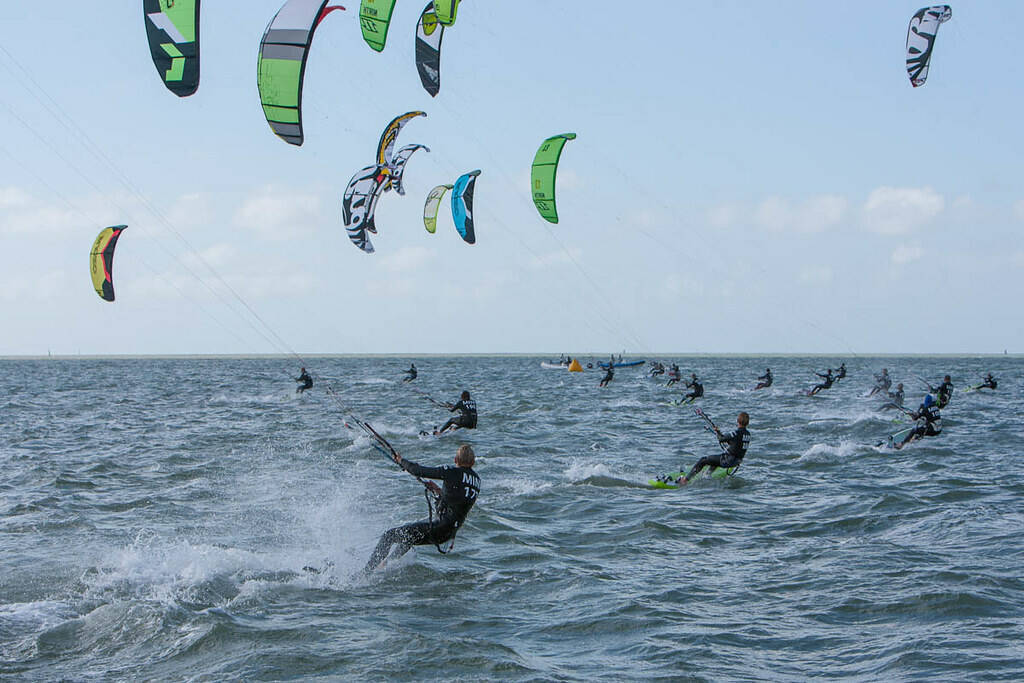
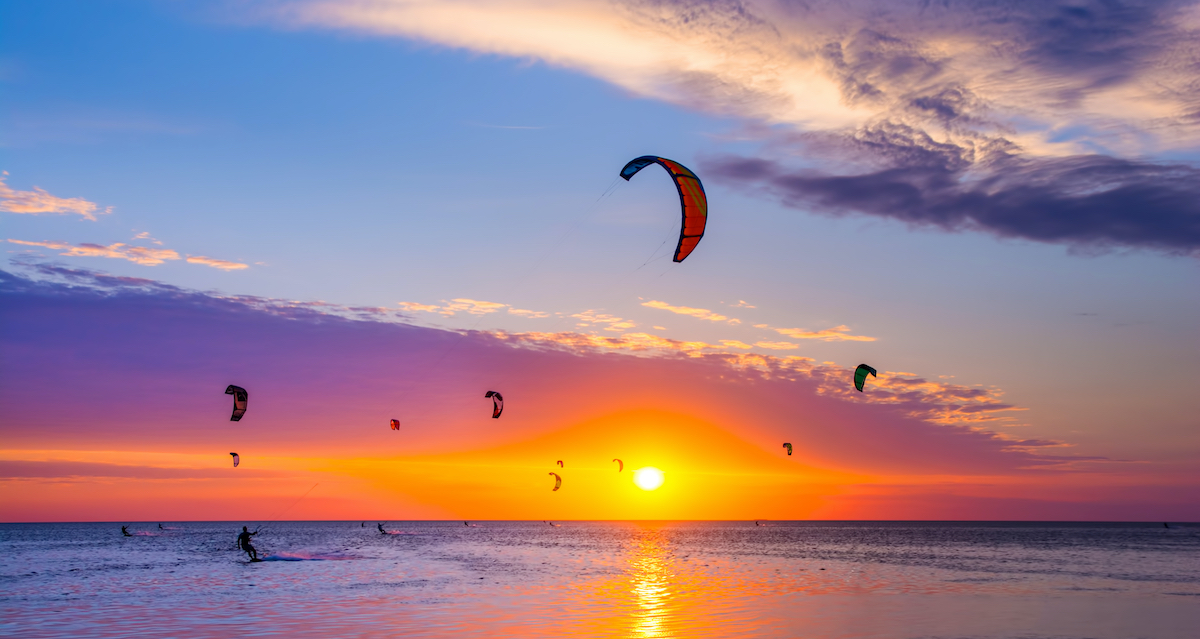
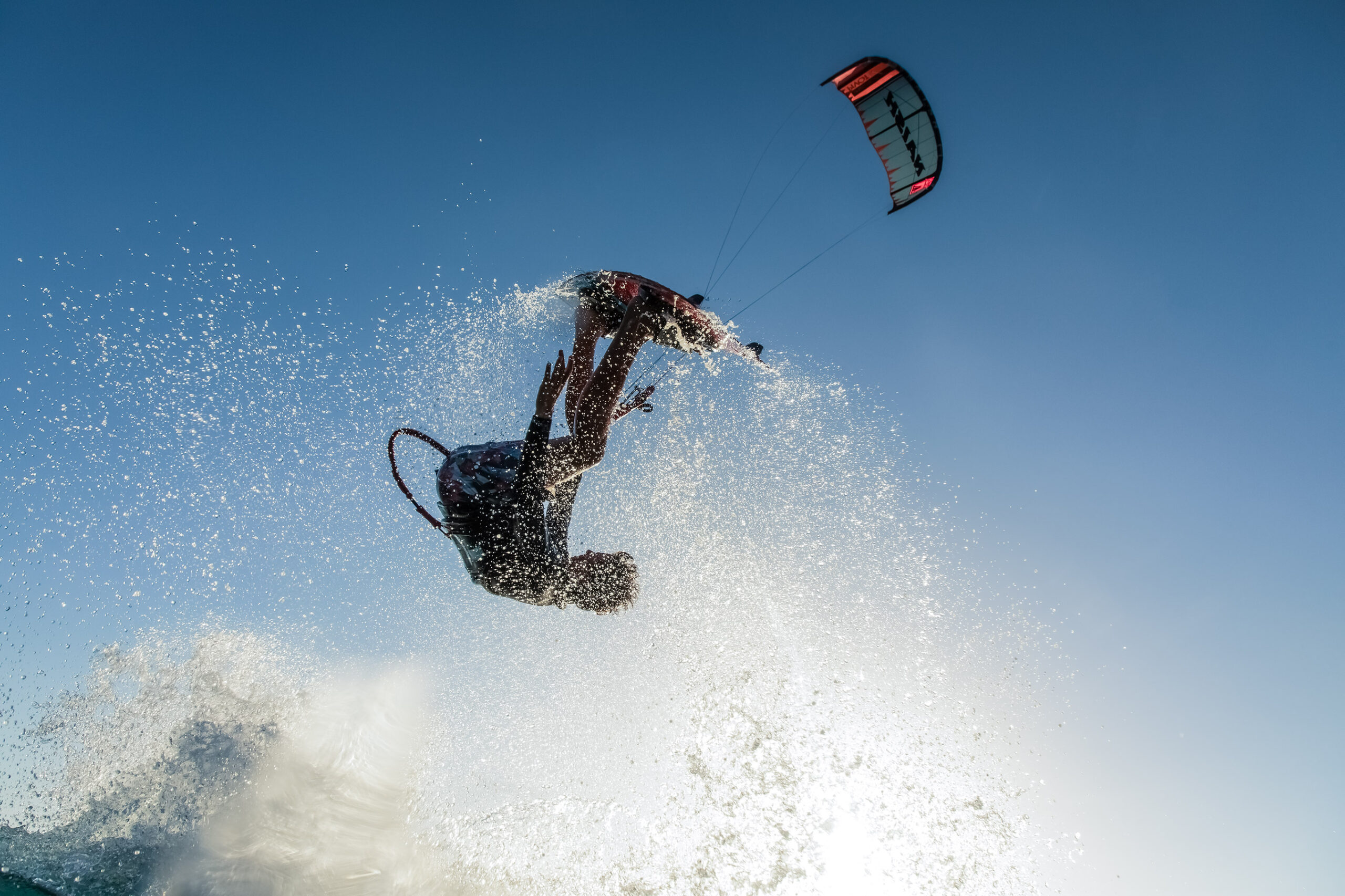
As you explore the world of Costa Rica kitesurfing, you’ll discover a wealth of opportunities to experience this thrilling sport. From the tranquil waters of Lake Arenal to the rugged coastline of the Nicoya Peninsula, there are countless spots to catch the wind and ride the waves.
Whether you’re a seasoned pro or just starting out, Costa Rica offers something for everyone. The country’s diverse geography and climate create a range of conditions for kitesurfing, from gentle breezes to powerful gusts. And with a variety of kitesurfing schools and instructors available, you can easily learn the basics or hone your skills to become an expert rider.
In this introduction, we’ll take a closer look at the world of Costa Rica kitesurfing, exploring the best spots to ride, the equipment you’ll need, and the skills required to master this exciting sport. So grab your board, strap on your kite, and get ready to experience the thrill of kitesurfing in one of the world’s most beautiful destinations.
What Is Kitesurfing?
Kitesurfing, also known as kiteboarding, is a thrilling water sport that combines elements of wakeboarding, surfing, and windsurfing. It involves using a kite and a board to glide across the water’s surface, propelled by the wind.
In kitesurfing, the rider attaches themselves to a kite using a harness and uses the wind’s power to control their movement across the water. The kite is controlled by a bar with lines that connect to the kite, allowing the rider to steer and adjust the kite’s angle to catch the wind.
Kitesurfing can be done in a variety of conditions, from calm, flat water to choppy waves and strong winds. It requires a certain level of physical fitness and skill, as well as knowledge of wind direction and safety procedures.
Costa Rica is a popular destination for kitesurfing enthusiasts, with its warm waters, consistent winds, and beautiful scenery. The country has several world-class kitesurfing spots, including Bahia Salinas, Lake Arenal, and Santa Teresa.
Kitesurfing in Costa Rica offers a unique opportunity to experience the country’s natural beauty while enjoying an adrenaline-pumping activity. Whether you’re a beginner or an experienced rider, there’s a spot in Costa Rica that’s perfect for you.
So if you’re looking for an exciting and unforgettable adventure, consider trying kitesurfing in Costa Rica. With its perfect conditions and stunning scenery, it’s sure to be an experience you’ll never forget.
Best Kitesurfing Spots
If you’re planning a kitesurfing adventure in Costa Rica, you’re in for a treat. With its warm waters, consistent winds, and stunning scenery, Costa Rica is a paradise for kitesurfers. Here are some of the best kitesurfing spots in the country.
First up is Bahia Salinas, located on the northwest coast of Costa Rica. This spot is known for its strong winds, which make it a great place for advanced kitesurfers. The water is shallow, making it ideal for freestyle and wave riding.
Another great spot is Playa Copal, located just south of Bahia Salinas. This spot has a more relaxed vibe and is perfect for beginners and intermediate kitesurfers. The water is calm and the wind is consistent, making it a great spot for learning new tricks.
If you’re looking for a more remote spot, head to Punta San Francisco. This spot is located on the southern tip of the Nicoya Peninsula and is only accessible by boat. The water here is crystal clear and the wind is strong, making it an ideal spot for advanced kitesurfers.
For those looking for a more social experience, head to Playa del Coco. This spot is popular with tourists and locals alike and has a lively atmosphere both on and off the water. The wind is consistent and the water is calm, making it a great spot for all levels of kitesurfers.
Finally, if you’re looking for a challenge, head to Cabo Matapalo. This spot is located on the southern Pacific coast of Costa Rica and is known for its strong winds and big waves. It’s not for the faint of heart, but for advanced kitesurfers looking for a challenge, it’s the perfect spot.
No matter where you choose to kitesurf in Costa Rica, you’re sure to have an unforgettable experience. With so many great spots to choose from, it’s no wonder why Costa Rica is one of the top kitesurfing destinations in the world.
Kitesurfing Gear Needed
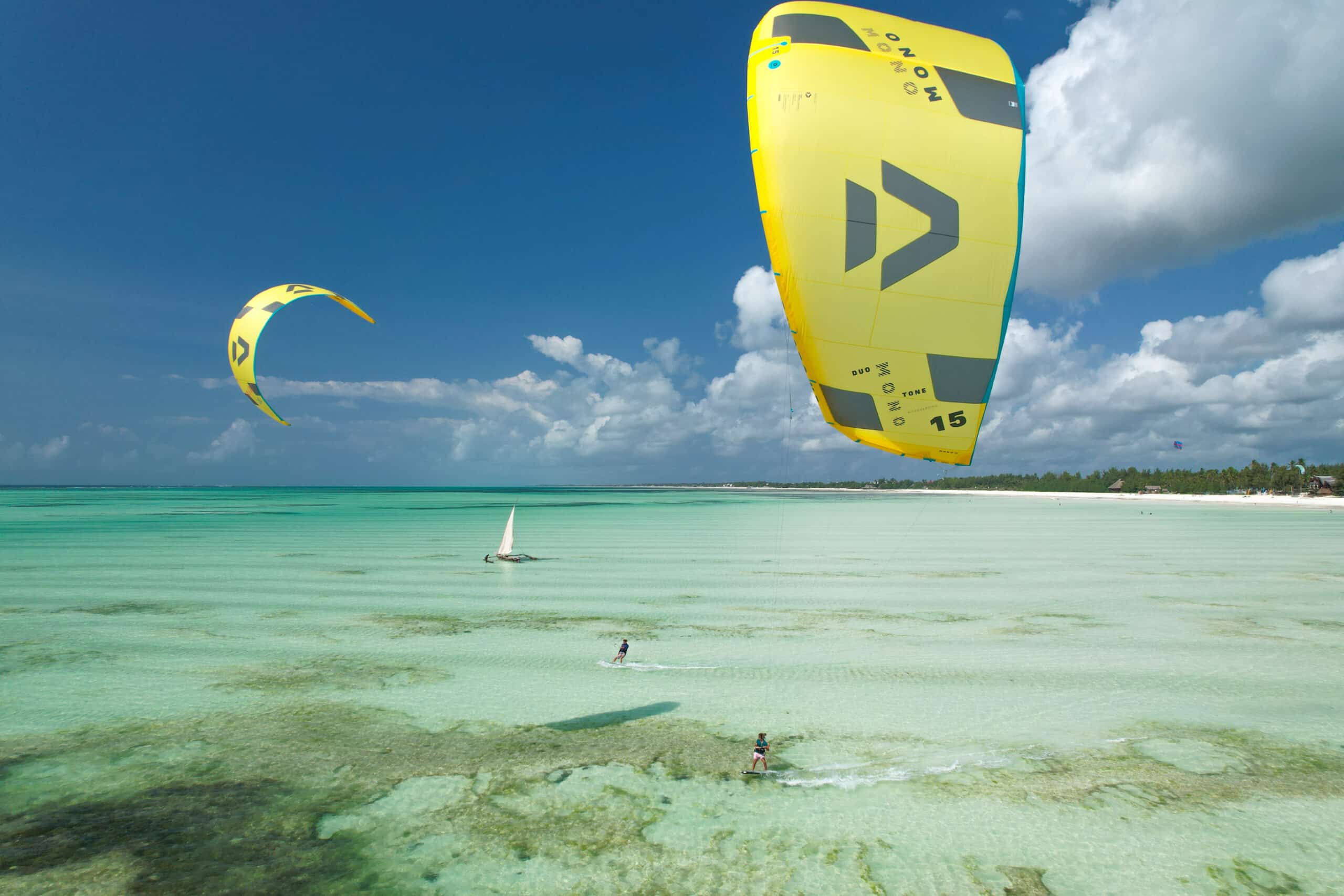
Kitesurfing is an exhilarating water sport that requires a specific set of gear to ensure a safe and enjoyable experience. In Costa Rica, the ideal kitesurfing gear includes a kite, board, harness, wetsuit, and safety equipment.
The kite is the most important piece of equipment for kitesurfing. It is important to choose the right size and type of kite for the wind conditions. Most kitesurfers in Costa Rica prefer inflatable kites because they are easy to launch, stable in the air, and offer good control.
The board is also an essential piece of equipment. The size and shape of the board depend on the rider’s weight, skill level, and the type of riding they plan to do. In Costa Rica, most kitesurfers use twin-tip boards because they are versatile and easy to ride.
The harness is used to connect the rider to the kite and board. It is important to choose a harness that is comfortable and fits properly. In Costa Rica, most kitesurfers prefer waist harnesses because they offer good support and freedom of movement.
A wetsuit is necessary to protect the rider from the cold water and wind. The thickness of the wetsuit depends on the water temperature. In Costa Rica, a 3/2mm wetsuit is usually sufficient.
Finally, safety equipment such as a helmet, life jacket, and leash are essential for kitesurfing. These items can prevent serious injuries and should never be overlooked.
In conclusion, kitesurfing in Costa Rica requires specific gear to ensure a safe and enjoyable experience. By choosing the right kite, board, harness, wetsuit, and safety equipment, kitesurfers can enjoy the beautiful beaches and perfect wind conditions that Costa Rica has to offer.
Kitesurfing Safety Tips
If you’re planning to hit the waves for some kitesurfing in Costa Rica, it’s essential to prioritize safety. Here are some tips to help you stay safe while enjoying this thrilling water sport.
1. Check the Weather Conditions: Before you head out, make sure to check the weather conditions. Avoid kitesurfing during thunderstorms or if the wind is too strong.
2. Wear Proper Gear: Always wear a life jacket, helmet, and wetsuit. It’s also essential to wear appropriate footwear to protect your feet from sharp objects in the water.
3. Know Your Limits: Kitesurfing can be dangerous, especially if you’re a beginner. Start with small waves and gradually work your way up. Don’t push yourself beyond your limits.
4. Learn from a Professional: Taking lessons from a certified instructor is the best way to learn kitesurfing. They can teach you the proper techniques and safety measures to ensure a safe and enjoyable experience.
5. Stay Aware of Your Surroundings: Always be aware of other kitesurfers, boats, and swimmers in the area. Avoid crowded areas and give other water users plenty of space.
6. Use a Safety System: Make sure to use a safety system, such as a quick-release harness, to detach yourself from the kite in case of an emergency.
7. Stay Hydrated: Kitesurfing can be physically demanding, so it’s essential to stay hydrated. Drink plenty of water before and after your session.
By following these safety tips, you can enjoy kitesurfing in Costa Rica while minimizing the risk of injury. Remember, safety should always come first when participating in any water sport.
Kitesurfing Lessons
If you’re planning a trip to Costa Rica and want to try something new, why not take kitesurfing lessons? This exhilarating sport combines the thrill of surfing with the excitement of flying a kite, making for an unforgettable experience.
There are several kitesurfing schools in Costa Rica that offer lessons for beginners and advanced riders alike. These schools provide all the necessary equipment, including kites, boards, and safety gear, and have experienced instructors who can teach you the basics of kitesurfing in a safe and controlled environment.
During your lessons, you’ll learn how to control the kite and board, how to ride the waves, and how to perform tricks like jumps and spins. You’ll also learn about safety procedures, such as how to self-rescue and how to avoid dangerous situations.
Kitesurfing lessons can vary in length depending on your skill level and how quickly you progress. Some schools offer half-day or full-day lessons, while others offer multi-day courses that allow you to fully immerse yourself in the sport.
One of the best things about taking kitesurfing lessons in Costa Rica is the stunning scenery. With its crystal-clear waters, white sand beaches, and lush tropical forests, Costa Rica provides the perfect backdrop for this thrilling sport.
Whether you’re a seasoned surfer looking to try something new or a complete beginner, kitesurfing lessons in Costa Rica are a must-do activity. So why not book your lessons today and experience the thrill of kitesurfing in one of the most beautiful places on earth?
Kitesurfing Events in Costa Rica
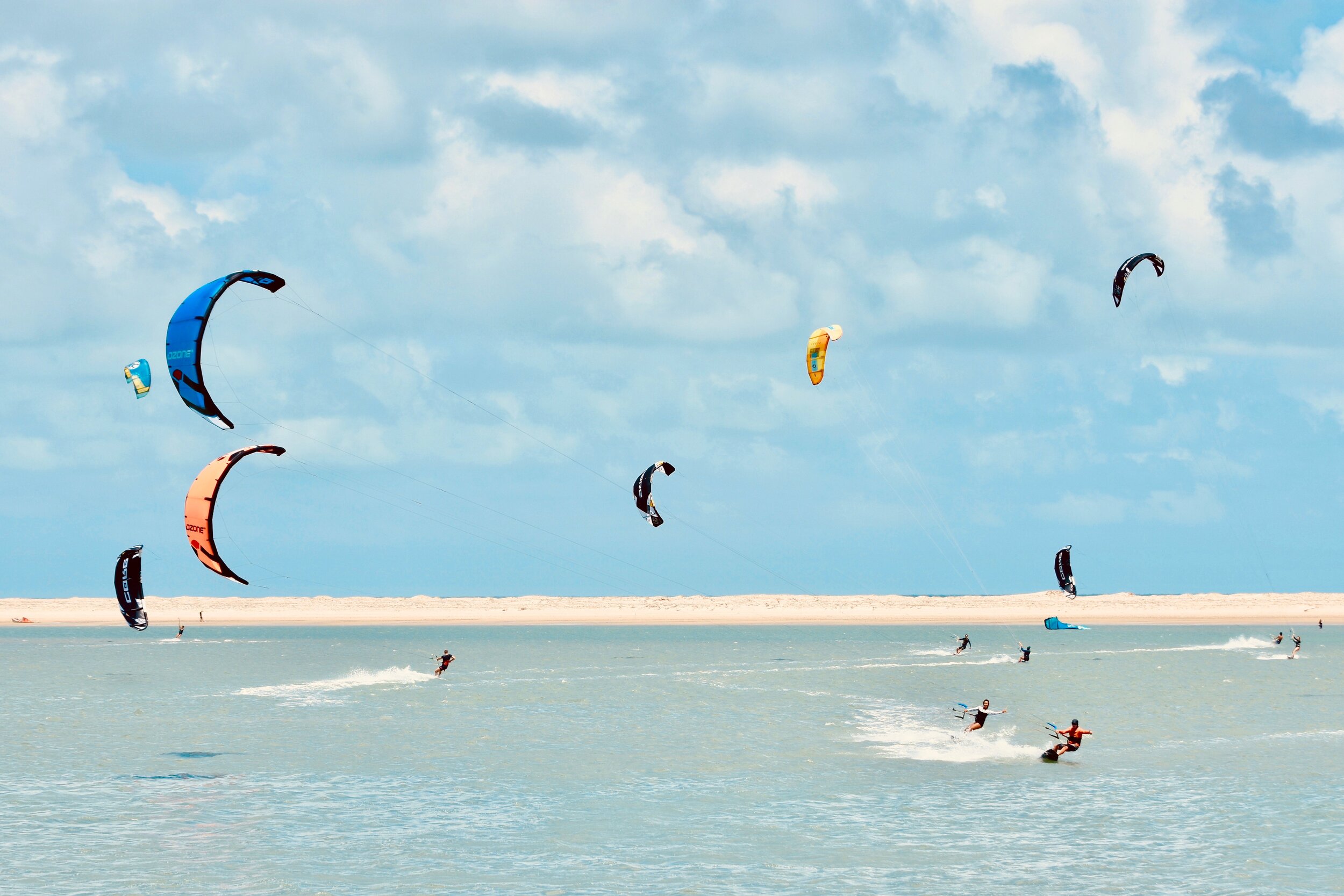
Costa Rica is known for its beautiful beaches, warm weather, and perfect conditions for kitesurfing. Throughout the year, there are several kitesurfing events that take place in Costa Rica, attracting kitesurfers from all over the world. These events offer the opportunity to compete, improve skills, and meet other kitesurfing enthusiasts.
One of the most popular kitesurfing events in Costa Rica is the Kitefest. This event takes place in January and brings together kitesurfers of all levels. The festival includes competitions, clinics, and parties, making it a fun and exciting experience for everyone involved.
Another notable event is the Kiteboarding World Cup, which takes place in November. This event is part of a global series and attracts some of the best kitesurfers in the world. The competition is held in beautiful locations along the coast of Costa Rica, providing a breathtaking backdrop for the event.
For those looking to improve their kitesurfing skills, there are several clinics and camps available throughout the year. These clinics are led by experienced instructors and offer personalized instruction to help kitesurfers of all levels improve their technique and performance.
In addition to these events, there are also several kiteboarding schools and rental shops throughout Costa Rica. These shops offer equipment rental, lessons, and guided tours, making it easy for anyone to get started with kitesurfing.
Overall, Costa Rica is a paradise for kitesurfers with its perfect weather, beautiful beaches, and numerous kitesurfing events. Whether you’re a seasoned pro or just starting out, there’s something for everyone in the world of Costa Rica kitesurfing.
Kitesurfing Accommodations
When planning a kitesurfing trip to Costa Rica, choosing the right accommodations can make all the difference in your overall experience. Luckily, there are plenty of options available that cater specifically to kitesurfers.
One popular choice is staying at a kitesurfing resort. These resorts typically offer a range of amenities and services tailored to the needs of kitesurfers, such as equipment rentals, lessons, and access to prime kitesurfing spots. Some of the top kitesurfing resorts in Costa Rica include Blue Surf Sanctuary, KiteHouse, and The Kite Loft.
For those on a budget, there are also plenty of hostels and guesthouses located near popular kitesurfing spots. These accommodations may not offer the same level of luxury as a resort, but they can be a great option for those looking to save money and meet other kitesurfers. Some popular choices include Casa del Mar Hostel, KiteCamp, and Kite House Hostel.
Another option is to rent a private villa or apartment. This can be a great choice for those traveling with a group or looking for a more secluded experience. Websites like Airbnb and VRBO offer a range of options in popular kitesurfing destinations like Tamarindo and Santa Teresa.
No matter what type of accommodations you choose, be sure to do your research and book early, especially during peak kitesurfing season (December to April). With the right accommodations, you’ll be able to fully enjoy all that Costa Rica’s kitesurfing scene has to offer.
Kitesurfing FAQs
Are you planning a kitesurfing trip to Costa Rica? Here are some frequently asked questions to help you prepare for your adventure.
Q: What is the best time of year to go kitesurfing in Costa Rica?
A: The windy season in Costa Rica is from December to April, making it the best time for kitesurfing.
Q: Where are the best kitesurfing spots in Costa Rica?
A: Some of the top spots include Bahia Salinas, Lake Arenal, and Santa Teresa.
Q: Do I need to bring my own equipment?
A: While some kitesurfing schools and rental shops provide equipment, it’s always best to bring your own gear to ensure a comfortable and safe experience.
Q: What level of experience do I need to have to kitesurf in Costa Rica?
A: There are kitesurfing spots suitable for all levels, from beginners to advanced riders. However, it’s recommended to have some prior experience before attempting to kite in the more challenging spots.
Q: Are there any safety precautions I should take while kitesurfing in Costa Rica?
A: It’s essential to always wear a harness, helmet, and life jacket while kitesurfing. Additionally, be aware of potential hazards such as rocks, reefs, and strong currents.
Q: What other activities can I do in Costa Rica besides kitesurfing?
A: Costa Rica is known for its beautiful beaches, lush rainforests, and diverse wildlife. Some popular activities include zip-lining, surfing, hiking, and wildlife tours.
With these FAQs in mind, you’ll be well-prepared for an unforgettable kitesurfing trip to Costa Rica.
In conclusion, kitesurfing in Costa Rica is an exhilarating experience that offers a unique blend of adventure and relaxation. As we have explored in this post, kitesurfing involves using a kite to propel oneself across the water, and Costa Rica boasts some of the best kitesurfing spots in the world. To engage in this activity, you will need to invest in kitesurfing gear, including a kite, board, harness, and safety equipment. Safety is paramount when kitesurfing, and we have outlined some key tips to keep in mind, such as checking weather conditions and avoiding crowded areas.
If you are new to kitesurfing, taking lessons is highly recommended to ensure that you learn the proper techniques and safety protocols. Costa Rica also hosts various kitesurfing events throughout the year, which are a great way to connect with other kitesurfing enthusiasts and improve your skills.
When planning your kitesurfing trip to Costa Rica, it is important to consider your accommodations. Many hotels and resorts offer kitesurfing packages that include lessons, gear rental, and other amenities.
In terms of future developments, the popularity of kitesurfing is only expected to grow, and Costa Rica is likely to remain a top destination for this activity. As you plan your trip, be sure to keep these tips and insights in mind, and don’t hesitate to reach out to local kitesurfing communities for further advice.
Thank you for reading, and we hope that this post has been informative and helpful. If you have any comments or feedback, we would love to hear from you!