Is Kite Surfing Dangerous? Imagine the thrill of gliding across the water, propelled by a gust of wind that lifts you into the air like a bird in flight. This exhilaraating sensation is kite surfing—a sport that offers an unparalleled blend of excitement and freedom. But with such adrenaline surges, questions arise: Is kitesurfing dangerous? How safe can it be? The image of Icarus comes to mind – did he fly too close to the sun due to sheer excitement or lack of knowledge about safety boundaries? In this post, we’ll dive into the risks accompanying kitesurfing and provide valuable tips to ensure your safety. So go on, don’t let fear clip your wings. Add some adventure to life without ignoring safety!
Kite surfing, like any extreme sport or activity, does carry some inherent risks. However, with proper training and adherence to safety guidelines, the risks can be significantly mitigated. Beginner kite surfers should seek lessons from a certified school and always be aware of their surroundings in order to minimize potential hazards.
Understanding Kitesurfing
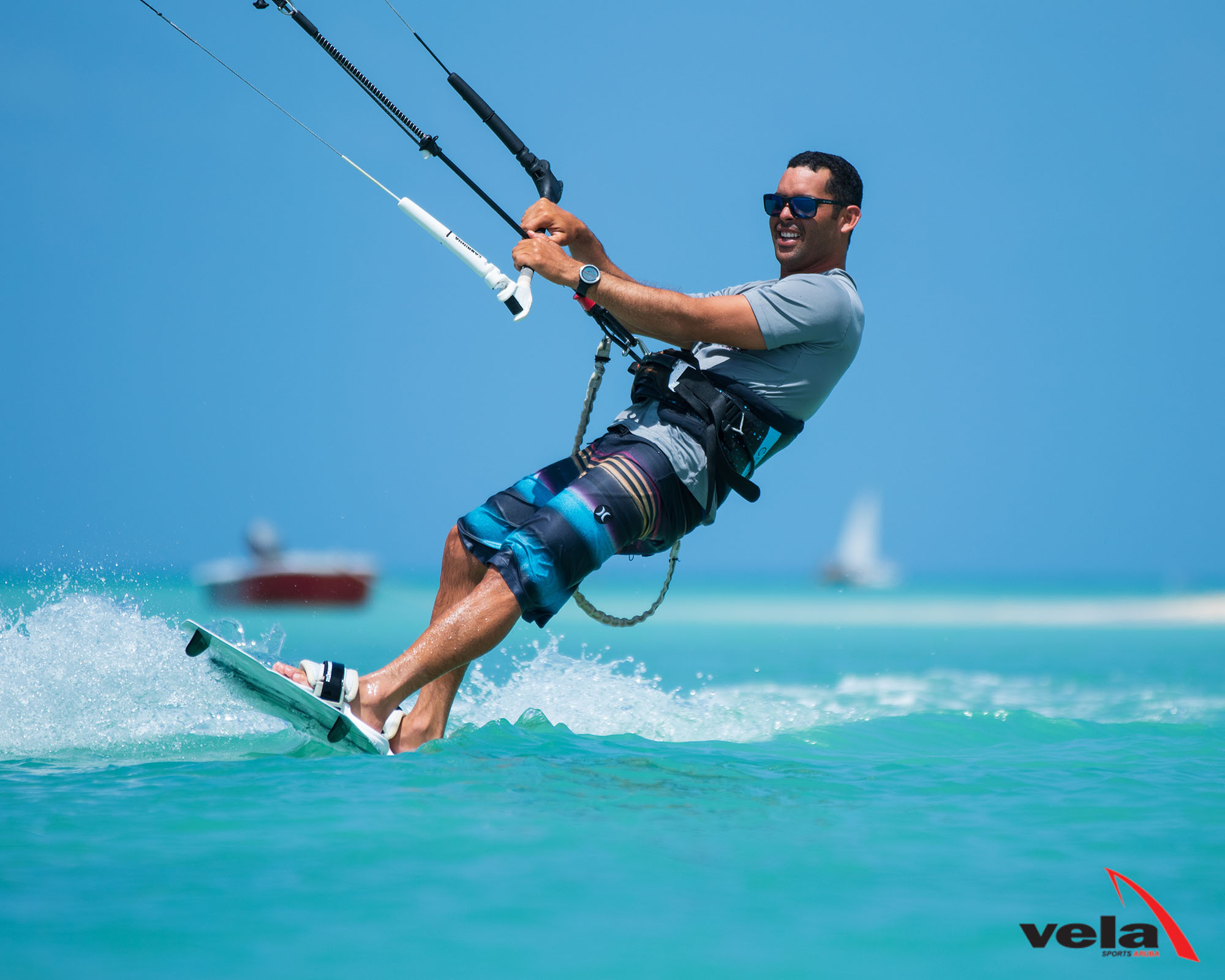
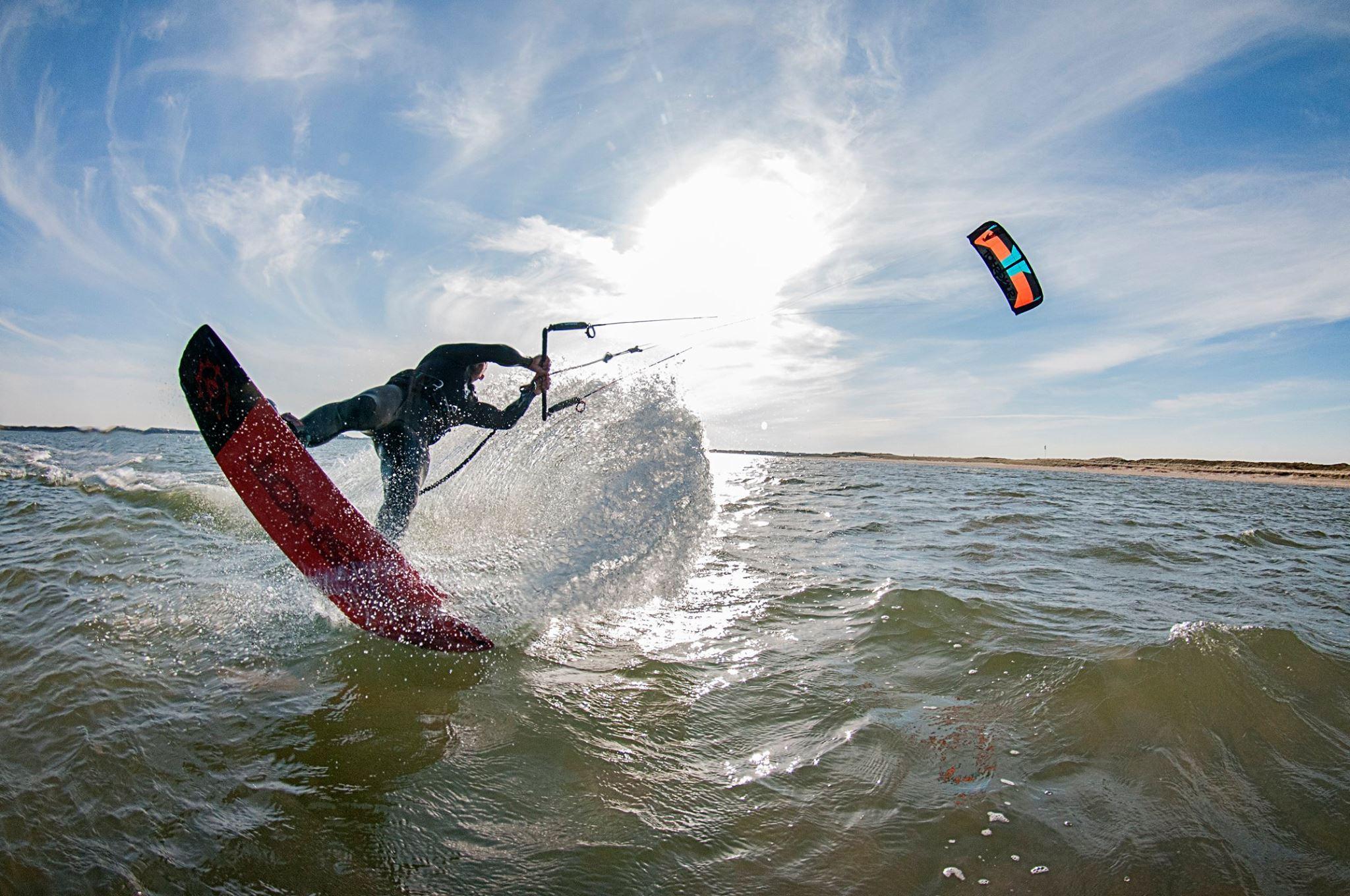
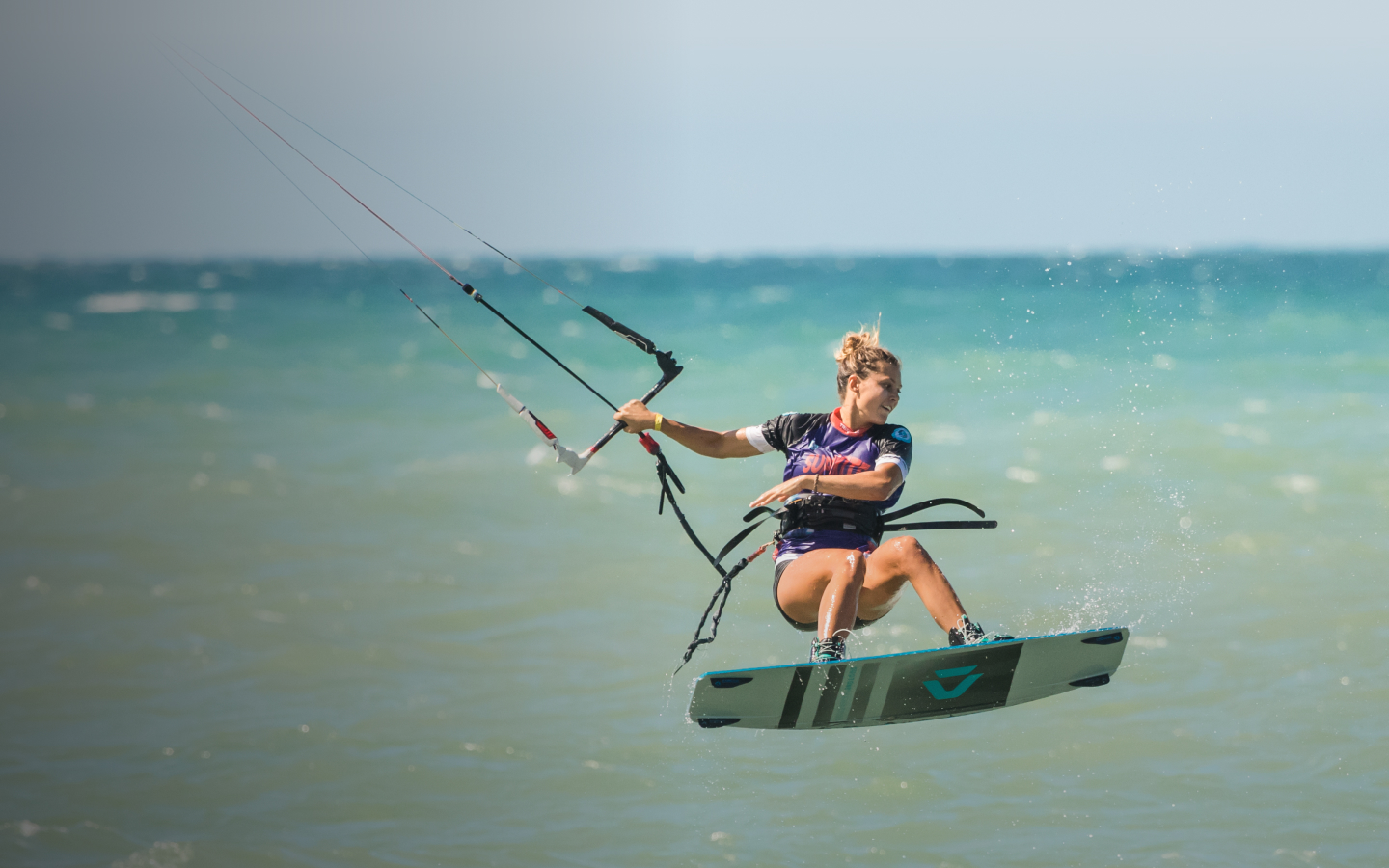
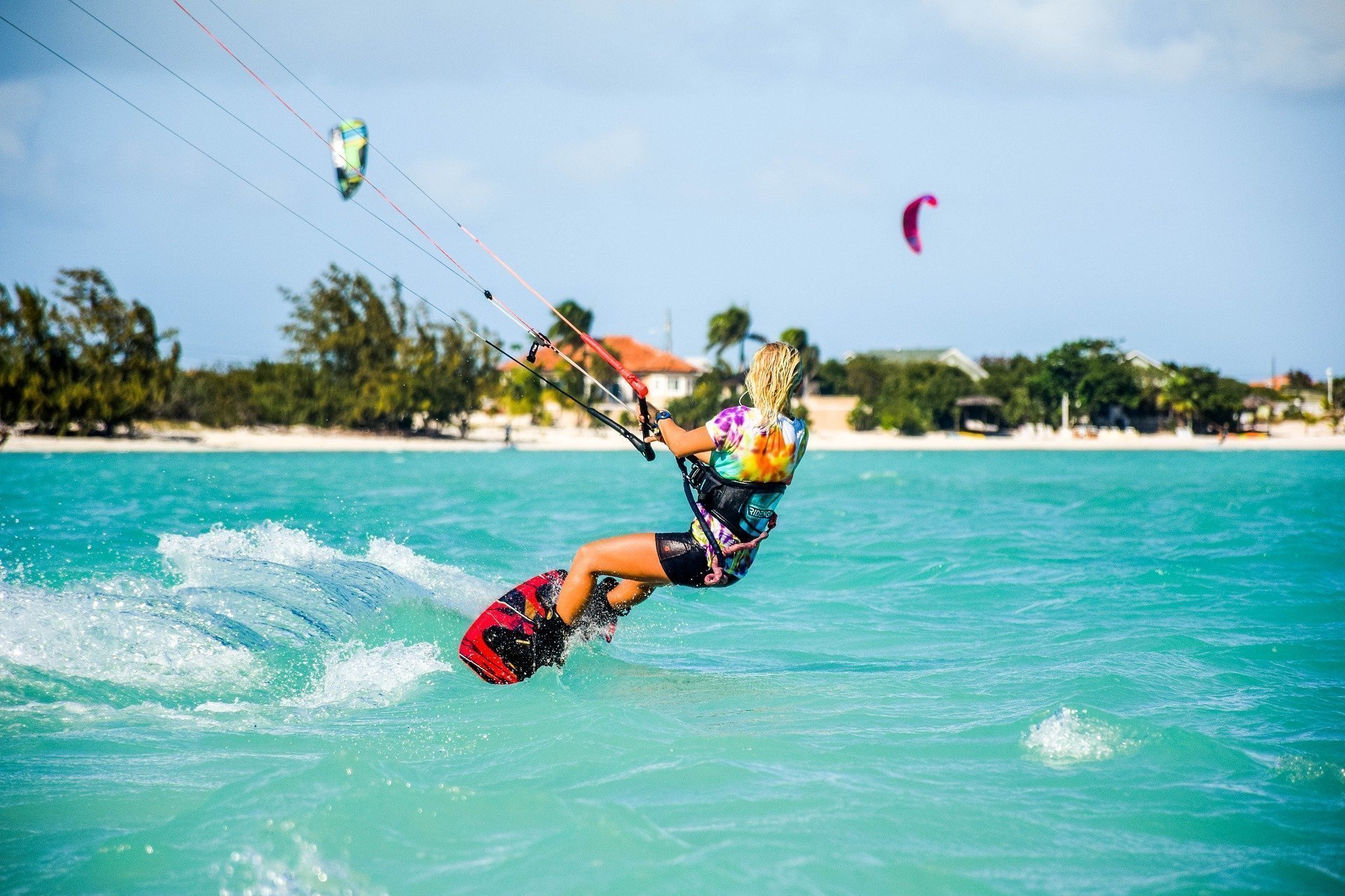
Kitesurfing, also known as kiteboarding, is a water sport that combines elements of surfing, windsurfing, and wakeboarding. Essentially, kitesurfers ride the waves using a kite and a board. The kite is attached to the kitesurfer’s body through a harness, allowing them to control the direction and power of the kite with their hands. Meanwhile, they maneuver the board using their feet.
Many people who have never tried kitesurfing perceive it as an extreme sport with high risks and little reward. However, for those who have experienced the thrill of riding the waves using only the power of the wind, it is much more than that. It is a way of life.
Take a look at professional kitesurfer Keahi de Aboitiz. He has spent his entire life on and in the water and has mastered many forms of surfing. Yet he says that “kiteboarding is just so fun.” He explains how he loves feeling connected to nature while adrenaline rushes through his veins.
Properly executed kitesurfing can be an incredible and safe experience that requires physical ability, mental focus, and careful attention to safety guidelines.
Now that we have an understanding of what kitesurfing entails let us consider how it differs from traditional surfing.
Key Differences between Kitesurfing and Traditional Surfing
The most obvious difference between kitesurfing and traditional surfing is that one uses a paddle or body to navigate while standing on the board in traditional surfing. In contrast, kitesurfers use a much larger sail-like kite and harness to generate both speed and stability while in motion.
As such, traditional surfers are limited by wave size and wind conditions whereas kitesurfers can surf in quiet bays or challenging open-ocean swells alike.
Think of it like skiing versus snowboarding. Both are snow sports that involve sliding down the mountain or hill, but they have fundamental differences in technique and gear. Similarly, kitesurfing and traditional surfing differ in the gear and techniques used despite both involving riding waves.
Another major difference between the two is that kitesurfing allows riders to jump off the waves and launch themselves into the air with the power of their kite, giving them an adrenaline rush that traditional surfers don’t experience.
With a basic understanding of how kitesurfing differs from traditional surfing now established we can delve into potential hazards that come with kiteboarding.
- According to a 2016 study, the rate of injuries related to kiteboarding was found to be approximately 7.0 per 1,000 hours of participation, most of them minor but including severe injuries and fractures.
- Despite its thrill-seeking reputation, kiteboarding is relatively safe when compared with mainstream sports such as American football or soccer. The same research revealed that the injury rate in kiteboarding is only seven per 1,000 hours of activity.
- However, it’s noteworthy that potential dangers in the sport are not negligible. Kiter errors, weather conditions, nautical hazards, and equipment failures contribute to risks faced by kitesurfers. Yet, a well-informed understanding of these hazards along with adherence to safety procedures has proven successful in managing over 90% of these risks according to relevant studies.
A Deep Dive into Kitesurfing Hazards
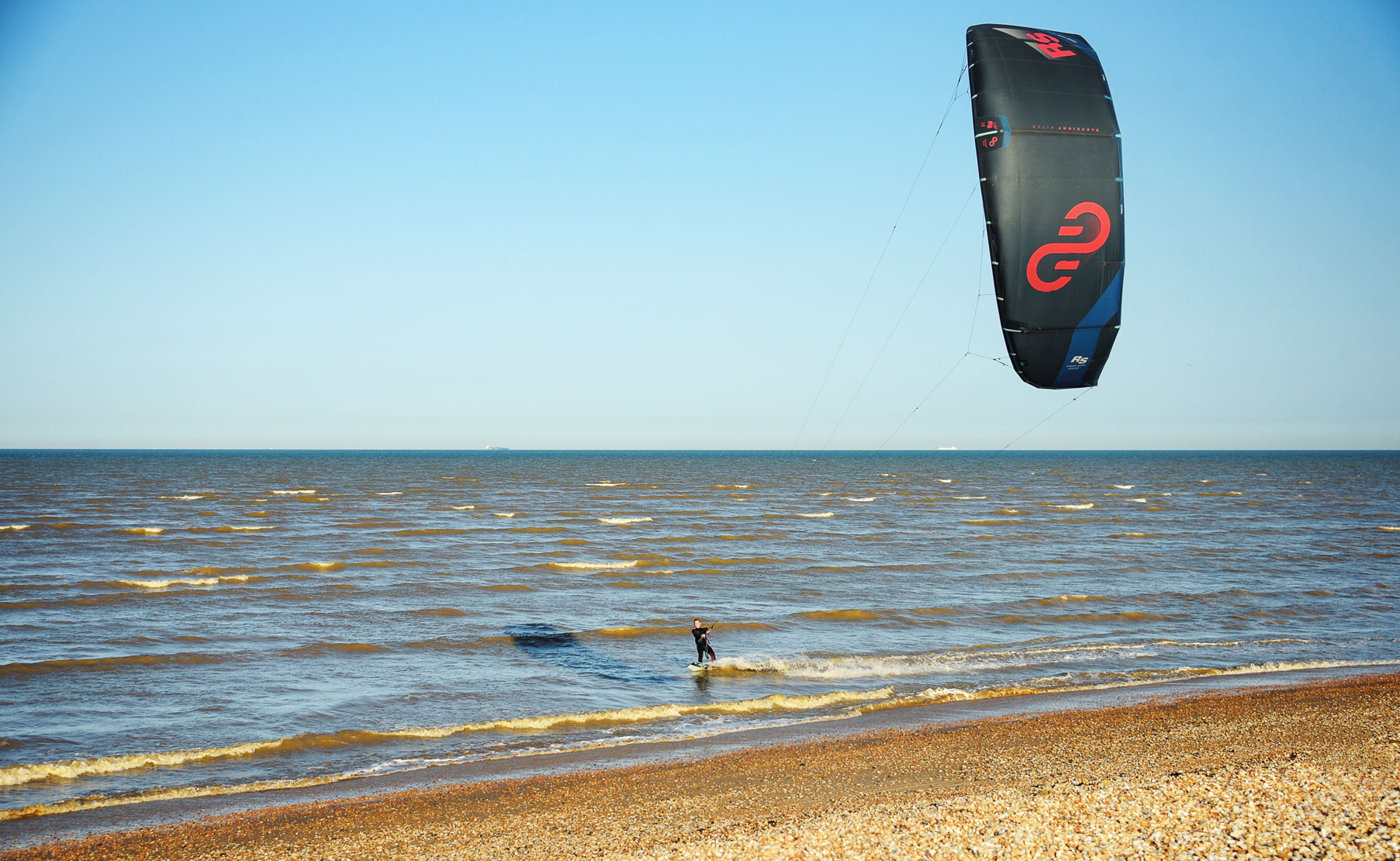
Kitesurfing is an extreme sport that requires skill, knowledge, and safety measures to reduce hazards deemed inherent to the activity. Some of the hazards kitesurfers encounter include kiter errors, weather and nautical hazards, equipment failures, obstacle hazards, people hazards, underwater hazards, and health hazards.
Kiter errors are common causes of accidents and injuries in kitesurfing. Overpowering or underpowering the kite can lead to losing control over it, hurting oneself while jumping, and getting wiped out by waves. Failing during a launch or landing and getting caught up in running kite lines can also result in injuries ranging from minor bruises to severe fractures. While practicing on land, loss of control could lead to uncontrolled falls causing more significant injuries.
Hannah had just gotten her license as a certified kitesurfer; she was excited about the prospect of riding waves without supervision. On one occasion, she decided to test her skills with stronger winds than what she was used to, resulting in serious injuries when the wind picked up unexpectedly. Due to underestimating the conditions coupled with poor judgment on kite size and lack of experience in strong winds.
As you would not drive for the first time without proper training and hands-on experience; rookie behaviour often causes accidents simply due to their lack of familiarity with various scenarios.
Weather and nautical hazards are other potential dangers kitesurfing enthusiasts must be mindful of before hitting the water. Sudden wind change or being caught in very gusty conditions could lead to unexpected falls into rocky gorge or onto any obstacles around. Though the likelihood varies based on experience levels as well as geographical location factors.
Equipment failures are rare but could have catastrophic consequences for a rider if these occur; taking proactive action like consistently checking gear before starting sessions is always recommended. Additionally, precautions to prevent accidents due to obstacles like boats or other surfers are essential, steering away and choosing open spaces to kitesurf will reduce the risk of collisions.
People hazards are the next type of danger that kiteboarders face since they could potentially harm themselves, others in the water or on land. Precautions such as kamikaze dives or erratic movements while riding should be avoided as these can increase the likelihood of accidents amongst those sharing the same space at any given instance. Therefore, a responsible approach with common sense is imperative when it comes to practicing kitesurfing.
Underwater hazards such as reefs, rocks, marine life and swimmers nearby can cause harm or lead to injuries while landing in shallow waters. Careful planning to avoid such situations is necessary for prevention – this also includes respecting marine life by not unintentionally injuring them or their habitats during activities.
Health hazards must also be noted since kiteboarding can put strain on various parts of the body, such as knees, hips, elbows and wrists which can result in long-term injuries if not addressed appropriately. Maintaining physical fitness levels through proper exercise regimes can reduce risks associated with these types of health hazards.
It’s imperative to take safety measures seriously and consult with experienced kite surfers who have been through similar experiences that one may encounter. This knowledge can help provide insight into potential risks associated with a specific location and kitesurfing conditions being considered for practice or competition. Meeting/certifying minimum requirements including purchasing appropriate gear and adequate insurance should always remain top priority before partaking in any kitesurfing activity.
Common Causes of Accidents and Injuries
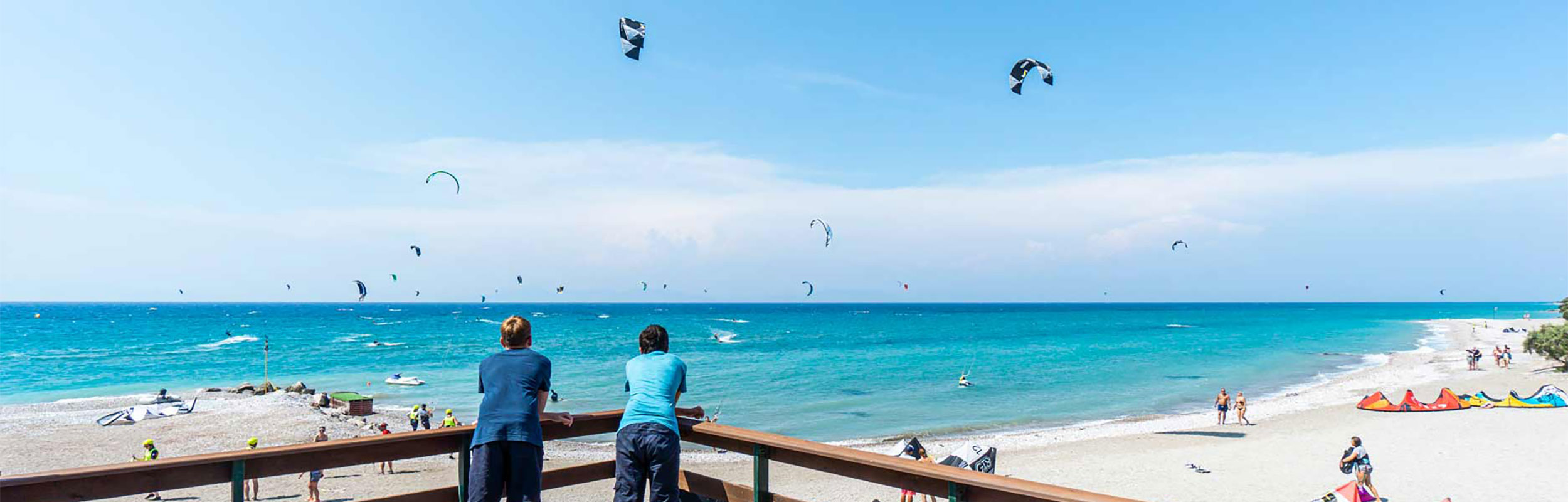
While learning kitesurfing from trained professionals helps minimize risks inherent with this activity, accidents can still happen due to overconfidence combined with impulsiveness. Official statistics reveal most kiteboarding mishaps are caused due to lack of experience, improper planning, or faulty gear.
As beginner kite surfers; it’s essential to start at a slow pace under the supervision of trained professionals. Progressing towards more challenging conditions is advised gradually only when the basics are mastered. This approach ensures they build a strong foundation for their future kitesurfing endeavors while mitigating risks associated with over-exuberance.
Obstacles like boats pose significant threats since kiteboards are known to reach high speeds and could come into contact with them unintentionally. Always check weather forecasts before starting a kitesurfing session as sudden changes in wind patterns can lead to immeasurable harm befell on those practicing in the water.
Simon attempted his first jump while on vacation, unaware of the ever-changing weather patterns around his location which predisposed him to an unexpected gust and consequent bruises. He had disregarded having proper equipment specifically designed for that environment and had overlooked checking weather forecasts, ultimately cutting his vacation short due to avoidable injuries.
Even experienced surfers should be cautious around unfamiliar territories or environments since there may be underwater hazards like reefs or rocks lurking beneath the water surface. Kite lines also pose possible entanglement threats when unrolled improperly or while unwinding knots manually.
Ultimately, it lies in everyone’s hands to keep themselves safe by taking necessary precautions, equipped with proper knowledge about their surroundings and potential hazards associated with kiteboarding activities. To enhance safety measures, being aware of one’s personal safety level and current health status will also contribute to preventing accidents. While not all dangers can be avoided completely, engaging in proactive measures and communal responsibility will certainly go a long way in reducing incident rates throughout this extreme sport.
- Kitesurfing is an extreme sport that involves inherent risks, and accidents can happen due to a lack of experience, overconfidence, improper planning, or faulty gear. It’s crucial for beginner kite surfers to start slowly under the supervision of trained professionals and progress gradually only when mastering the basics to build a strong foundation for future kitesurfing endeavors. Kitesurfers should also be cautious around boats, check weather forecasts before sessions, and beware of underwater hazards like reefs or rocks lurking beneath water surfaces. Ultimately, practicing proactive safety measures and taking personal responsibility can go a long way in reducing incident rates throughout this extreme sport.
Essential Safety Guidelines for Kitesurfing
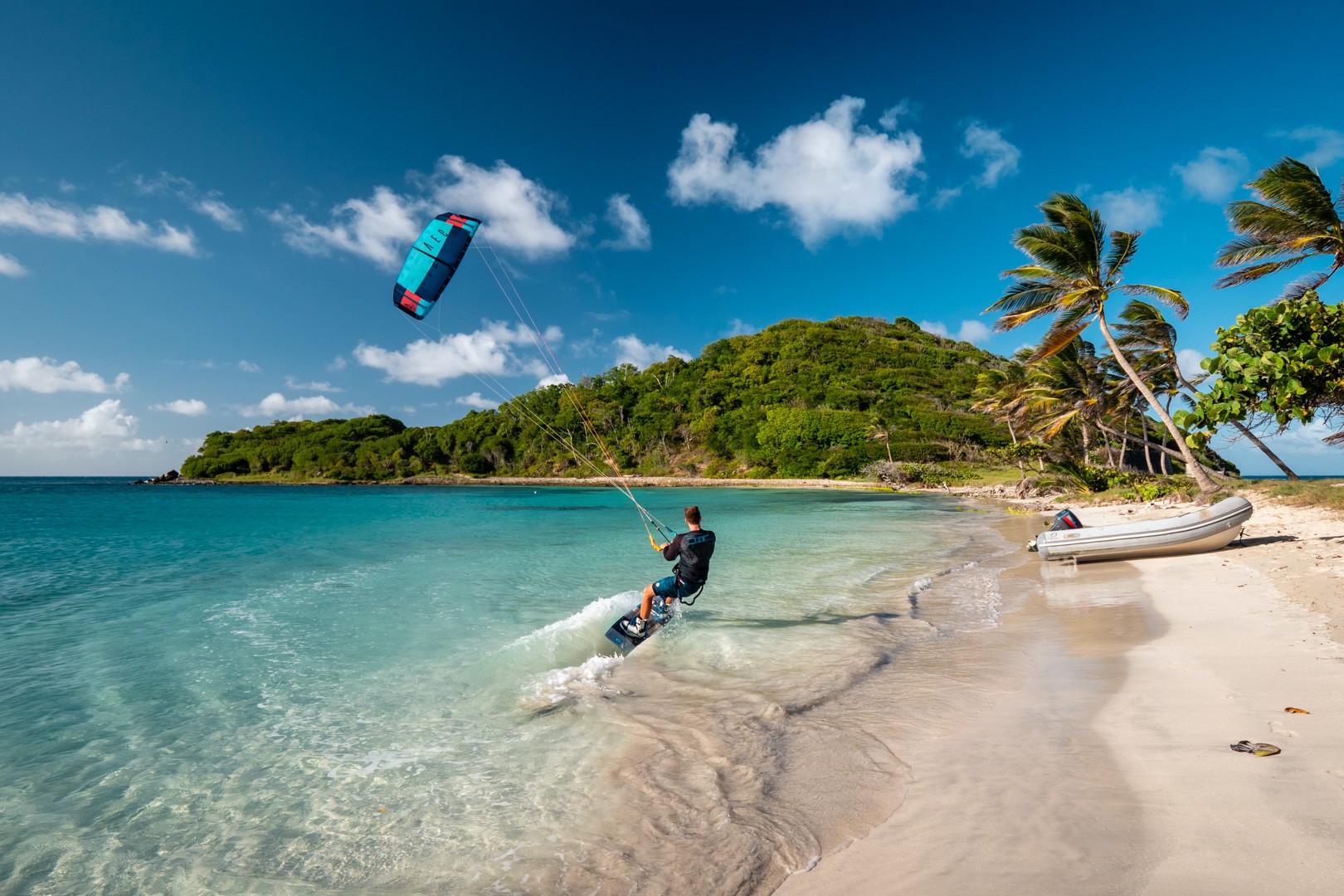
When it comes to kitesurfing, no matter how much experience you have, safety should always be your top priority. With proper safety guidelines in place, kite surfing can be a thrilling and safe activity for all. Here are some essential safety guidelines to keep in mind before hitting the water.
First and foremost, it is essential to check the weather conditions before going out to kite surf. Kite surfing requires specific wind speeds and conditions that vary from location to location. Always check the wind forecast and weather conditions at your intended location before heading out. Avoid kitesurfing in severe weather conditions like thunderstorms or lightning.
Another crucial factor in ensuring safety while kitesurfing is using appropriate gear. Always wear an impact vest or a buoyancy aid, a helmet, and a wetsuit if necessary. Never compromise on quality when it comes to purchasing kitesurfing equipment as they can make all the difference between an enjoyable session or accidents.
One of the most debated aspects of kite surfing is whether wearing a leash is necessary or not. Some experts argue that leashes cause more harm than good as they could entangle a rider if they fall into the water. However, others think it might be worth it because if you lose control of your kite, then the kite can drift downwind out of range, making it difficult for you to retrieve it by swimming after it.
Importance of Professional Equipment and Training
To ensure your safety while kite surfing, having professional equipment and training becomes imperative. Kite surfing involves a high degree of technical skill; without proper education and training, even the most basic maneuvers can turn into hazards.
Think of learning kitesurfing like learning how to drive. You need a licensed instructor to teach you the basics, like how to start and stop safely. Similarly, in kite surfing, a qualified instructor can teach you how to properly launch the kite, control it, and navigate in different wind conditions. Only through proper training will you learn the best techniques for staying safe.
In addition to receiving professional training, using appropriate equipment is equally important. Always purchase new or well-maintained kitesurfing equipment because it offers more safety features than older gear. Also, never exceed the recommended wind range for a kite; otherwise, it could lead to an overpowered kite that causes accidents.
Finally, no matter how skilled an individual becomes in kitesurfing, it is always vital to have someone with them on their session. You might face situations where getting overwhelmed due to challenging weather conditions or hitting obstacles becomes unavoidable Ultimately having backup at such moments can be of utmost importance.
By keeping these safety guidelines in mind and investing in proper equipment and training, kite surfing can be a low-risk and highly rewarding activity. So get out there onto a kitesurf board and enjoy this thrilling sport!
Mitigating Risks for a Safer Kitesurfing Experience
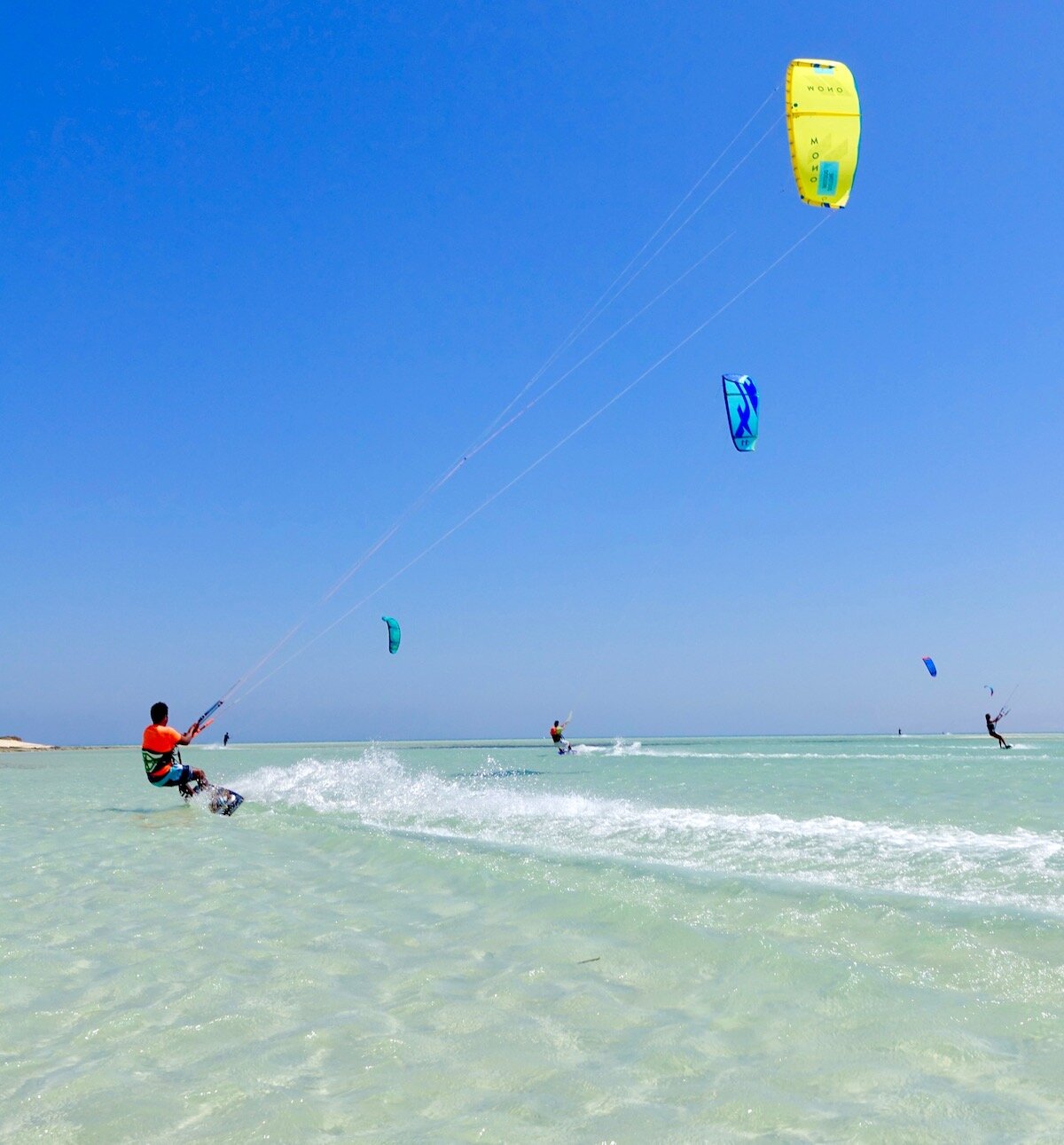
While kiteboarding does come with some potential risks, there are ways to mitigate them and have a safer kitesurfing experience. Here are some key tips to consider:
First and foremost, it’s important to always get proper education and training before attempting to kiteboard on your own. Enroll in a certified school with experienced instructors who can teach you the fundamentals of kiteboarding, including safety procedures, weather conditions, equipment maintenance, and how to execute different maneuvers.
In addition, it is crucial to use appropriate and professional-grade equipment. A sturdy board and a high-quality kite designed specifically for kitesurfing will not only enhance your overall experience but also ensure your safety in case of unexpected accidents or weather changes.
It’s also worth noting that while it may be tempting to push your limits or try new tricks beyond your skill level, it’s essential to know your own abilities and respect the environment around you. As much as you want to enjoy the thrill of kitesurfing, never put yourself or others in harm’s way just for the sake of a quick adrenaline boost.
Think of kiteboarding as driving a car – obey the rules of the road and respect other drivers’ rights, wear proper safety gear such as helmets and harnesses, have a clear plan before going out (including what moves you want to practice or what areas you want to explore), and make sure everything is functioning correctly before setting off (such as checking the wind conditions or monitoring any potential obstacles).
Finally, keep up-to-date with ongoing developments in kiteboarding technology and regulations. Regularly check safety guidelines from reputable sources such as local water sport associations or online forums where experienced riders share tips and insights on how to stay safe while enjoying the sport.
Ultimately, no matter how experienced you are or how well-prepared you feel before getting in the water, kitesurfing will always carry some level of risk. That being said, following these tips and taking a responsible approach to kiteboarding can go a long way towards mitigating potential hazards and ensuring a safer and more enjoyable ride. By embracing the thrill of kiteboarding while also staying mindful of your own safety and that of others around you, you can have a truly unforgettable kitesurfing experience.
Frequently Asked Questions Answered
What are the benefits of kite surfing that outweigh the risks?
Kite surfing definitely comes with its fair share of risks, but the benefits it offers are worth considering before writing it off as a dangerous sport. One of the most obvious benefits is the adrenaline rush that comes with flying through the wind and waves. This unique sensation has been known to improve moods and relieve stress. Additionally, kite surfing is an excellent workout, promoting cardiovascular health and strengthening muscles throughout the body.
But perhaps the most significant benefit of kite surfing is the sense of community it creates. Kite surfers around the world share a passion for the sport, forming bonds and connections that extend beyond borders and language barriers. By taking part in kite surfing, one can gain access to this global network of like-minded individuals.
Of course, none of these benefits should be considered without acknowledging the risks involved. According to a study by the University Hospital Zurich, “Kiteboarding has one of the highest associated injury rates among board sports.” Safety precautions should always be taken seriously to minimize these risks.
In conclusion, while kite surfing does come with risks, it offers benefits that are not easily found elsewhere. The physical and mental benefits, along with opportunities to form a tight-knit community, make it a worthwhile activity for those willing to take precautions and invest in safety gear.
What qualifications or training do you need to safely participate in kite surfing?
To safely participate in kite surfing, it is crucial to have the proper qualifications and training. Firstly, it is recommended to take lessons from a certified kite surfing instructor who can teach you the basics of kite control, safety procedures, and techniques for riding the waves. According to a study by the International Kiteboarding Organization (IKO), taking lessons can reduce 90% of accidents among beginners.
Moreover, it is essential to understand weather conditions, tidal changes, and local regulations before hitting the water. The Global Kitesports Association (GKA) suggests seeking professional guidance when selecting equipment specific for your skill level and body weight, ensuring your safety gear is always in good condition, and avoiding crowded areas.
Lastly, obtaining certification showcases your competence in kitesurfing. The IKO offers a 5-level certification program that assesses individual progress in different aspects of kitesurfing, such as safety awareness and water time. Having this certification serves not only as proof of proficiency but also gives access to exclusive events and discounts on gear.
Overall, to minimize risks involved in kitesurfing one needs to undergo professional training under certified instructors, keep informed about weather changes and regulations, invest in quality equipment and get proper certifications.
Are there any specific weather or water conditions that make kite surfing more dangerous?
Yes, there are specific weather and water conditions that make kite surfing more dangerous. One of the most significant factors is wind speed and direction. Strong and gusty winds can cause a rider to lose control of their kite or be dragged out of control. The World Kiteboarding Organization (WKO) recommends that wind speeds should not exceed 30 knots for experienced riders and 20 knots for beginners.
Another critical factor is water conditions, such as waves and currents. High surf can cause a rider to get airborne unintentionally or wipe out unexpectedly, leading to injuries or even drowning. It’s important to check local tide and current information before kite surfing in unfamiliar waters.
According to a study by the U.S. Coast Guard, 41% of kite surfing accidents occur in windy conditions, and 22% happen in rough seas. Additionally, 80% of fatalities from kite surfing accidents involved experienced riders who were attempting advanced maneuvers in hazardous conditions.
Therefore, it’s crucial for all kite surfers to pay attention to weather forecasts, assess their skills realistically, and be aware of their surroundings constantly. Safety measures like wearing a life jacket with an impact vest and using safety gear like helmets, gloves, and booties can also reduce risks while kite surfing.
How can you minimize the risks of injury while kite surfing?

Kite surfing, like any extreme sport, carries inherent risks. However, with proper precautions and safety measures, the chances of injury can be greatly minimized. Here are some ways to stay safe while kite surfing:
1. Take lessons: Enrolling in a reputable kite surfing school can teach you the basics of the sport, including safety procedures and proper equipment handling.
2. Use quality gear: Make sure your kite and board are in good condition and appropriate for your skill level. Always check your equipment before heading out to avoid malfunctioning gear.
3. Check weather conditions: Keep an eye on wind speed, direction and potential storm activity before setting out to ensure you won’t face any unexpected weather changes.
4. Wear protective gear: Always wear a helmet and impact vest or buoyancy aid whenever kite surfing. They will protect your head from injury if you fall and provide additional flotation if needed.
5. Know your limits: Don’t attempt maneuvers or tricks beyond your skill level. It’s better to stay safe rather than push yourself too far and risk injury.
According to accident statistics from the International Kiteboarding Association (IKA), accidents happen most often due to lack of experience, poor training, insufficient equipment maintenance, overestimation of capability and misjudgment of weather conditions. By following these simple steps, we can minimize the risks of injury while still enjoying this thrilling sport safely.
What are the most common injuries associated with kite surfing?
Kite surfing may offer an unparalleled adrenaline rush, but it is not without risks. Like any extreme sport, participants are exposed to the chance of injury. Injuries associated with kite surfing range from mild strains and bruises to life-threatening accidents.
The most common injuries associated with kite surfing include:
1. Cuts and Abrasions: Kite surfers face a higher chance of getting cuts and abrasions due to the sharp edges of the board and strong ropes they use.
2. Broken Bones: Fractures or broken bones are also common among kite surfers caused by falls from height or colliding with other surfers.
3. Head Trauma: A strong gust of wind can fling a kite surfer off their board at high speed resulting in head trauma.
According to research conducted by the US National Library of Medicine, over 60% of kite surfing-related injuries result from collisions with fixed objects or other vessels (https://www.ncbi.nlm.nih.gov/pmc/articles/PMC6198164/). Moreover, statistics from hospital admissions indicate that 30% of reported kite surfing injuries relate to fractures (https://pubmed.ncbi.nlm.nih.gov/22981143/).
However, these risks do not mean you should shy away from kite surfing altogether but instead emphasize the need for proper training, safety gears such as helmets, padding, and vest, and constant attention to weather conditions while out on the water.